how to pack a bug out bag

How To Pack Your Bug Out Bag For Survival

how to pack a bug out bag

Scared yet excited, Rick raced anxiously to retrieve the large bundle he had carefully hidden in the corner of his garage. This was the moment he had anticipated, and he was ready.

Several months ago, Rick had come across a video about Bug Out Bags (BOBs) while surfing the Internet; even with no outdoor or survival experience, he decided he needed one. Planning a personal BOB seemed like an awful lot of work, so in his panic he bought the most expensive pre-made bug out kit he could find. After dropping a whopping $3,000, he felt confident he was prepared for any emergency and left the pack hidden for 2 years. Now, he would finally get the chance to use it.

What happened to force him to bug out? It could have been any number of things such a natural disaster, civil unrest, viral outbreak, or some other type of event that throws society into a freefall ; but the ‘why’ isn’t what’s important. When you need your BOB, the question ‘why’ becomes much less important than the question ‘will’: will this survival kit keep you alive for 72 hours? Using Rick as an example, I’m going to take you through the basic steps in properly packing your bug out kit so that if (or when) you need it, ‘will’ won’t be a question – it’ll be a certainty.

how to pack your bug out bag

Choosing the Right BOB

No doubt you’ve spent months, maybe years, carefully planning out potential bug out scenarios and collecting the items you’ll need to survive should one of those scenarios pan out.

It’s now time to select the perfect bag for your kit. One of the key questions in choosing your bag is whether you select a bag big enough to hold all the items you need, or a bag that best fits your body and sacrifice some of your items if there isn’t enough room. The answer is: it depends.

What Features Should You Focus On?

The number one feature you want from your BOB is mobility. If you can’t move with it – what’s the point? Therefore, having a good fit is a must. To learn more about selecting the best bag for your situation and what to look for in terms of comfort and fit, please see our article How to Pick the Best Bug Out Bag Backpack for YOUR Survival Situation.

In addition to comfort, the pack must weigh enough to be carried wherever you need to go; this sometimes means paring down your items to only the most essential or packing more creatively.

With mobility as your number one priority, the best strategy is to find a bag that is most comfortable for your body type and tailor your items to fit in it. However, if you have a ‘can’t live without’ item that requires using a certain bag, you may consider packing your kit around your bag. Survivalist vlogger Envirosponsible provides a great example of such a situation in this video:

Let’s get back to Rick, our wannabe-prepper. Having simply bought the most expensive bag he could find, without consideration to how it would fit his body, he found his bag way too heavy. Additionally, not having tested the bag, he found that the straps dug into to his shoulders and made it almost impossible to walk for more than a mile at a time. Instead of being the life-saving asset he intended it to be, his BOB has turned into a hindrance.

Deciding What to Pack

There are myriad lists available online that can provide you with suggestions for essential bug out items, including broad-based lists such as this one from Survival Cache as well as highly specific ones such as our own Bug Out Bag List. You can even purchase pre-made bug out bags; if this is something that interests you, we’ve provided a fairly robust review of some of the pre-mades out there. However, keep in mind that no two kits are the same; the person who best knows what should be in your survival kit is you, and customization is key.

Bug Out Bag Checklist

Customize Your Kit

What you pack depends entirely on your own situation and location; check out our past articles on how to tailor your kit for an urban location or a wilderness location and see how they differ. Customizing based on your own situation is essential – a well-stocked urban kit could be useless in the wilderness, while a bug out kit perfect for California wouldn’t hold up for a minute against Canadian winter.

The most difficult part of packing is deciding what goes in and what stays out. You can never be 100% sure of what you’ll need should disaster strike so the best you can do is make educated guesses.

Test Your Gear

A great way to test your kit is to actually go and try it out. Spending time with your bag under non-disaster conditions will not only help you determine what is essential and what may be missing, but also allows you to test out your equipment and become more proficient with its use. A good adage to remember is that if you have two, you have one, and if you have one, you have none – always bring a back up.

Organize Your Bug Out Bag

Generally, your must-have BOB items will fall into the following categories:

  1. Shelter and safety / protection
  2. Water
  3. Ways to make fire
  4. First aid
  5. Hygiene
  6. Food
  7. Tools

The types of items you choose for each of these categories depends on your personal situation, but the greatest tool you can add to your bug out kit is knowledge. The more you know, the more useful your pack will be in an emergency situation and the less you will have to pack.

For those with minimal survival training, packing a survival guide is a must (the SAS Survival Handbook is a solid resource). If you want to develop your survival skills, there are many resources available to you including Creek Stewart’s Build the Perfect Bug Out Bag, which has an entire chapter dedicated to developing the mental and physical preparedness needed to survive in a disaster scenario.

How about our friend Rick, how is he faring in his disaster scenario? Unfortunately, not too well. Since he didn’t bother to try out any of his gear, he found that he couldn’t even use half of the items in his bag. His $300 water filtration system? Completely useless without the knowledge of how to forage for water. Thankfully, he’s found one item he actually can use and that he desperately needs – aspirin. Unfortunately, it expired over a year ago.

Packing the Bag

When packing your BOB, much like choosing your bag, mobility is key, while utility is a close second. The organization of your pack cannot be haphazard and must be approached with the same methodical process as planning for your bug out kit.

However, keep in mind that the purpose of a BOB is not for a hiking or camping trip – it’s to save your life in an emergency. As such, you want to prioritize the packing of your survival kit slightly differently than you would a hiking or camping backpack while still keeping in mind basic rules for properly distributing your load.

A properly packed BOB is not only easier to carry, but can also fit more stuff. Generally, you want to keep heavier items further down in your bag and close to your back and vice versa for lighter items. The following is an example of a properly packed BOB from The Prepper Journal:

how to pack a bug out bag

In his book, Build the Perfect Bug Out Bag, Creek Stewart recommends organizing your items into three categories:

  1. Non-urgent
  2. Urgent
  3. Emergency

Your non-urgent items would go into the pack first. Non-urgent items are those that won’t be retrieved with a sense of urgency and include items such as:

  • Extra clothing
  • Bedding
  • Hygiene
  • Miscellaneous supplies

Your urgent items would be packed second, for easier access, and include items such as:

  • Shelter
  • Water
  • Food
  • Fire starting items

Emergency items are those that will need to be accessed within a moment’s notice; these items should be kept on your person or in easy to reach pockets of your pack. Emergency items include:

  • Communication gear such as radios, walkie talkies, or whistles
  • Self-defense gear
  • Flashlights
  • Personal tools such as survival knife
  • Foul weather gear such as your poncho

Within each of these categories, you should compartmentalize your items based on a system that will make it easy for you to find what you’re looking for in a hurry. When packing your items, look for creative ways to save space; some popular tricks include wrapping duct tape around a water bottle as well as packing items inside other items, such as your cooking pots.

how to pack a bug out bag

Keep your gear dry

Above all else, remember to waterproof your items; you can use professional grade plastic bags or simple Ziploc bags, just ensure your items are protected. Creek Stewart also recommends lining your pack with an industrial strength garbage bag as an added layer of protection.

Stay Low Key

While mobility and utility should be your foremost concerns when packing your BOB, it is also important to keep in mind safety. Don’t make it obvious how much gear you’re packing; in desperate times you don’t want to become a target for scavengers. The more your bag looks like a simple backpack and less like a survival powerhouse, the safer you’ll be. This is known as the Grey Man Principle.

Once you’ve packed your BOB, don’t toss it in a corner and forget about it. Your kit should be constantly evolving to reflect your lifestyle and location. We recommend a quarterly review to ensure the items you’ve chosen are still the best choices and that nothing has expired, leaked or been damaged. For tips on periodic BOB reviews and a checklist to help make sure you have everything covered check out our article, How Often Should You Update Your Bug Our Kit?

Conclusion

I bet you’re wondering how Rick is faring. As you’d expect, not too well. Since his store-bought BOB was packed more for show than utility, he had to stop and unpack his entire bag every time he needed something, slowing him down at critical points.

However, he doesn’t need to worry about his pack anymore; his flashy bag and expensive tools hanging from the side attracted the attention of less-prepared parasites who quickly took it off his hands. As it turns out, when SHTF, Rick would have been better off pocketing his $3,000.

Don’t end up like our friend Rick by letting let packing become an afterthought; put the same effort and analysis into packing your kit as you did into planning it. When disaster strikes, it won’t be the guy with the biggest BOB who wins, it’ll be the guy who best knows how to use his.

Your Thoughts?

Do you have a trick to pack your bug out bag as efficiently as possible?  Do you know of any major mistakes that should be avoided?  Let us know in the Comments Section below, thanks!

Read More

what is bushcraft

What Is Bushcraft: Survival Skills, Tools, & How To Learn

what is bushcraftThe old saying goes “The more skills you have the less gear you need”.  This is a great mindset to have and it provides a clear path on the journey to preparedness.  Today I am going to share with you a set of skills and tools that all add up to the overall field known as “Bushcraft”.  If you are an old hand at wilderness survival or are just asking, “What is Bushcraft?” this article will show you what skills to learn and tools to use when growing your bushcraft knowledge and survival abilities.

What Is Bushcraft?

Bushcraft is the art of using the resources provided by our natural environment to survive and thrive in the great outdoors.  It combines the knowledge of how to best use the plants and animals at your disposal with some basic bushcraft tools to make outdoor living easier and more efficient.  In learning bushcraft skills we benefit in many ways including:

  1. Increasing our ability to adapt to new challenges
  2. Becoming more self sufficient
  3. Growing our confidence
  4. Increasing our survival skills
  5. Becoming better prepared to face unforeseen problems

Bushcraft is not just one thing to learn.  It is a group of related skills that help you survive and adapt to overcome obstacles.  Although traditional bushcraft is focused on wilderness survival, its mindset of using the world around you can easily be applied to an urban or suburban setting.

bushcraft skills

Learning bushcraft survival skills will go a long way in making you better prepared the next time a disaster strikes.  Many of the skills and projects within the field of bushcraft can be directly applied to survival situations and are immensely useful to learn.

What Are Bushcraft Skills?

Bushcraft encompasses several primitive skills to shape the world around you and meet your survival needs.  In this article I am going to focus on the fundamental bushcraft skills that are most related to survival:

  • Food Foraging
  • Trapping and Hunting Game
  • Water Gathering and Purification
  • Shelter Building
  • Fire Building

Now we have discussed many aspects of these skills in other articles (such as this one) but remember, bushcraft teaches you how to do all these things with just a basic tool and the knowledge in your head.  Each of these bushcraft skills have many smaller subsets of tasks and abilities that make them up.  Let’s take a look at what you need to learn to become proficient at these fundamental bushcraft survival skills.

Food Foraging

  • Knowledge of local plants
  • Camp cooking
  • Avoidance of toxic plants
  • How to efficiently harvest

Trapping and Hunting

  • Tracking and stalking game
  • Reading animal signs
  • Building snares
  • Using lures
  • Hiding human scent
  • Tying knots
  • Making cordage
  • Cleaning and cooking game

Water Gathering and Purification

  • Foraging for water
  • Making a water filter
  • Purifying water
  • Fire building (for boiling)
  • Container making (for carrying water)

Shelter Building

  • Felling trees
  • Batoning branches
  • Harvesting other materials
  • Thatching or weaving grass or bark
  • Knot tying
  • Making cordage
  • Natural insulation and waterproofing

Fire Building

  • Collecting wood
  • Gathering tinder
  • Batoning branches
  • Building a bow drill, fire plough or other device
  • Building a fire pit
  • Types of fires and their uses

Everstryke Banner

How Long Does It Take To Learn Bushcraft Skills?

As you can see there is a lot to learn!  While becoming a bushcraft master can take several years or longer the good news in that there are many small skills that can be quickly learned to get you started.  Additionally, some of the more basic skills like making cordage and batoning branches have many uses and can be applied to more than one discipline.

what is bushcraft

If you are just starting out

If you are starting with no base of bushcraft knowledge it is best to begin with one of the easier skills to learn.  Many of these can be learned in a matter of hours and be further developed whenever you have the time to practice.  Some basic bushcraft skills to start out with are:

  • Batoning wood
  • Carving simple tools
  • Lashing basic camp structures such as a tripod
  • Knot tying
  • Basic fire starting

If you have a basic knowledge already

With some basic bushcraft knowledge under your belt you can start to learn some of the more intermediate skills such as:

  • Foraging for food
  • Primitive fire building (no matches or lighter)
  • Shelter building
  • Basic snares and trapping
  • Water purification

For the pros

If you have a working knowledge of survival or outdoor living you can start to take on some of the more advanced bushcraft projects and skills such as:

  • Making rope and cordage
  • Advanced structure building (camp oven, beds, thatching)
  • Advanced foraging and trapping
  • Land navigation
  • Tracking

 What Are Bushcraft Tools?

At its most basic level bushcraft is the art of going out into the woods and surviving with nothing more than the clothes on your back and an edged tool.  Nearly every skill and most bushcraft projects use a bushcraft tool to make your labor easier.

bushcraft projects
A solid bushcraft toolkit will make most projects easier and faster

Bushcraft Knife

A fixed blade knife is the most common bushcraft tool.  Finding the best bushcraft knife (Check out my guide for picking the best fixed blade knife here) for your kit will make many camp tasks easier and faster.  Bushcraft knives are best suited for light and medium duty tasks:

  • Batoning branches smaller than your wrist
  • Carving or whittling wood
  • Skinning game
  • Making snares and traps
  • Preparing food

Here are my favorite knives for bushcraft:

KnifeSizeCostFeaturesBlade Material
KA-BAR Becker 22

Overall: 10.5"
Blade: 5.25"
Weight: 14.6oz
$$$Glassbreaker/hammer pommel. Extreme heavy-duty construction, ergonomic grip.1095 Cro-Van steel
Tom Brown Tracker

Overall: 11.90"
Blade: 4.25"
Weight: 28oz
$$$$Serrated back and multi-level main edge give this knife maximum versatility. Heavy duty, high quality construction.1095 High Carbon Steel
CRKT Ultima

Overall: 10"
Blade: 5"
Weight: 8.3oz
$$Patented Veff serrations, pry tip in pommel, fantastically designed grip melds to your hand in any conditions.1.4116 Stainless steel
ESEE-6 Survival Knife
esse-6
Overall: 11.75"
Blade: 6.5"
Weight: 12oz
$$$$Textures handle with contoured design provide excellent grip when wet. Glassbreaker/hammer pommel.1095 High Carbon Steel
Morakniv Companion Heavy Duty Knife

Overall: 8.9"
Blade: 4.1"
Weight: 4.8oz
$The king of basic knives. Far better performance than expected out of such a low price point. These knives have been used by cost conscious hunters and campers for many years.High Carbon Steel
Fallkniven S1 Forest Knife

Overall: 9.7"
Blade: 5.1"
Weight: 6.7oz
$$$$Straightforward knife built using some of the best materials available. High corrosion resistance.VG-10 Stainless steel

Tomahawk or Hatchet

As I discussed in my article “How To Choose The Best Tomahawk” (check it out here), a small axe is a highly versatile bushcraft tool.  Generally the design of a bushcraft axe makes it best suited for heavier duty tasks:

  • Chopping wood
  • Felling trees
  • Splitting logs
  • Butchering large game
  • Digging
  • Hammering stakes or posts

Here are some of my favorite bushcraft axes and tomahawks:

AxeLength/WeightCostFeatures
Fiskars X7 14 Inch Hatchet

16.5"
1.4 lbs
$FiberComp handle is nearly indestructible. Designed with power-to-weight ratio for efficient splitting and chopping.
CRKT Kangee

13.75"
1.5 lbs
$$$Sharpened spine and beard, multiple grip options
Cold Steel Frontier Hawk

22"
1.5 lbs
$Also available with flat butt for pounding. Basic, cost effective hawk.
WatchFire Camper's Hatchet

10"
13.6 oz
$Large head, compact handle.
Gerber Gator Axe II Saw Combo

15.2"
1.8 lbs
$$Saw is hidden in the axe handle. Glass-filled nylon handle is extremely strong.

Machete

Functionally a machete is a hybrid between a large knife and small axe.  It can be used for many of the tasks I mentioned above.  The long, heavy blade of a machete is best used for medium to heavy cutting jobs:

  • Clearing Brush
  • Batoning large branches
  • Chopping wood
  • Digging
ToolFeatures
Woodsman's Pal

Designed as a bushcraft tool from the ground up. Heavy duty blade cuts branches up to 1.5" thick in a single stroke and sickle hook on the back side easily cuts vines and briars.

Saw

The saw is a more specialized bushcraft tool as it is only used for cutting branches.  It is however highly efficient at this task.  This advantage should be considered if you are planning on working on any bushcraft projects that will require you to cut lots of wood such as building a:

  • Platform
  • Hut
  • Camp table or chair
  • Bush ladder
SawFeaturesCost
Sportsman Pocket Chain Saw
Lightweight and ultra-compact. Can be used as is or combined with a branch to make a basic bow saw.$
Bahco Laplander Folding Saw

Good basic folding saw. The 8" blade has a safety lock for both opening and closing and is coated with a rust inhibitor.$
Sven Saw

The original classic! I used one of these in Boy Scouts 20 years ago and they are still chugging along. Packs down very compact but quickly assembles to a full sized bow saw.$$

Bushcraft Backpack

Lastly we have the pack that you carry all your bushcraft tools and other gear in.  As highlighted in my article on how to choose a backpack (read it here), make sure you pick a comfortable bag that matches your body type and that you can comfortably carry.  It is also important that your bushcraft backpack is waterproof and has multiple compartments rather than one large sack.  This makes it far easier to efficiently organize and then find your gear when you want to use it!

BackpackFeaturesCost
Global Assault Pack
Large, versatile bag with many organization features. Can carry all your cushcraft tools, clothes, and other gear for a weekend in the woods.$$
Alice Frame Pack

Alice Frame Bug Out Pack
Great basic pack with a time tested design. 1 huge main compartment and 6 smaller pouches easily organize your gear.$$$
Long Range Patrol Pack


Modern military style day pack for shorter bushcraft trips. Hydration ready, lots of storage, and multiple handling options make this a highly versatile bushcraft bag.$

OK but what is the BEST bushcraft tool?

Any of the bushcraft tools mentioned above can be used for nearly every bushcraft project or task.  Remember that one of the core ideas of bushcraft is to be adaptable in approaching problems.  The best bushcraft tool is really whatever you have with you!  Nearly every bushcraft project can be made easier by using a knife, hatchet, or saw at some point so either choose your favorite or bring more than one.

bushcraft tools
The best tool is the one in your hand

Think about what you are going to try and accomplish as well as what the trees and other resources are in the area you will be working.  Will you be doing lots of heavy chopping?  Make sure to bring an axe!  Will you be doing detailed carving for snares and traps?  Having the best bushcraft knife will be an essential tool.

If you have time to plan your bushcraft project out it never hurts to carry all the items you think you will need.  It is better to have a piece of equipment with you than wish you had brought it along!

What beginner bushcraft projects I can try?

As you can see from the bushcraft skills list above there is a huge range of tasks to learn and try.  Starting off with some simple bushcraft projects is a great way to get your feet wet and start learning some useful new skills!  Lets take a look at a beginner bushcraft project from each of the 5 skills we talked about earlier.

Food Foraging Bushcraft Project:

Go out in the woods and try to forage one edible plant.  Make sure you read up on what local plants are edible and palatable and then give it a try!  Check out this video for some tips:

Trapping and Hunting Bushcraft Project

Find and identify one set of animal tracks.  Again, read up on animals in your area and where they tend to travel.  Focus on common animals to increase your chances of success.  Here is another video to help get you started:

Water Gathering and Purification Bushcraft Project

Learn and practice one water purification method.  This can be boiling, building a solar still, filtering, or any other.  The important thing is that you actually practice doing it.  Note for this beginner bushcraft project I suggest practicing with bottled water just to be safe.  Here is a video to get you started:


Shelter Building Bushcraft Project

Build a basic shelter such as a debris hut.  This is an extremely useful bushcraft survival skill and can save your life if you are ever caught outside overnight.  Pour a bottle of water on the completed shelter to judge whether to not it would keep you dry.  Extra bonus points if you actually sleep in your shelter to test it out.  Here is a video on how to build a debris hut:

Fire Building

Build a small fire.  This encompasses many important fire building skills including gathering wood, finding and preparing tinder, and actually building your fire.  If you already know how to build a basic fire try building an upside down fire (how to article here)

Good luck!

Good luck with your bushcraft projects!  If you choose to do any or all of these you will be well on your way to growing your bushcraft survival skills and making yourself more prepared.  Get out there and take action!

More Bushcraft Resources

As you can see bushcraft is a huge field with many skills and activities to learn.  I have provided a basic overview to answer the question of “What is Bushcraft?” but there are lots of great resources out there to help you explore further.

Bushcraft Books

BookWhat It's Good For
Bushcraft by Richard Graves

This was my first bushcraft book. Great explanations of skills and how to apply the bushcraft mindset to problems. Lots of hand drawn illustrations, including some of the ones in this article!
Bushcraft 101 by Dave Canterbury

A good beginner book. Focuses mainly on the survival aspects of bushcraft.
Essential Bushcraft by Ray Mears

Covers survival, projects, and crafts. Lots of color illustrations to help you along.
The Forager's Harvest by Samuel Thayer

Great for an intro to foraging. Many tutorials and over 200 color photos.

Bushcraft Community and Instructional Sites

Conclusion: What is Bushcraft?

Bushcraft is a diverse and extremely useful skill set to add to your survival arsenal.  This guide should help get you started but there is no teacher better than experience.  I challenge you to go out into the world and practice your bushcraft skills.  You will make yourself more confident, adaptable, and better prepared for whatever fate throws your way.  Always remember, Chance Favors The Well Prepared.

Your Thoughts?

Have you tried a bushcraft project?  Do you have a must have bushcraft tool that you love?  Let us know in the Comments Section below, thanks!

Read More

bug out bag size

How Big and Heavy Should Your Bug Out Bag Be?

bug out bag size


This article was contributed by guest writer Roger Gallager of Security Vantage

If chaos suddenly happened and you are at your home, what is the first thing that you’ll get your hands into? Your clothes? Your smartphone? Your iPad? Your wallet? With the clock ticking fast and quick decisions need to be made, your time is not enough. Panic gets to you and you end up stuffing your bag with almost anything that you could easily grab and run away for survival.

I’m sure your number one answer for this is your bug out bag. Sadly, a lot of people think that they can just pack everything come disaster time. The truth is, for a real prepper, a good bug out bag that you can easily pick up and carry for survival is the best way to go. You can just grab it easily and head towards survival without that uneasy feeling of panic and nervousness, instead of scrambling for the things that you need when chaos is already happening.

bug out bag

Photo 1 via Flickr

Knowing that everything that you need is in your bug out bag makes you feel relieved. However, there is another thing that you should put into consideration. Will you be able to carry it for at least 3 days? Can you run as fast as you can for your dear life with your bug out bag?

This simple bug out bag preparedness guide will help you in knowing how big and how heavy your bug out bag should be so that your survival from disasters will be guaranteed.

The Right Weight For Your Bug Out Bag

The weight of your bag is definitely an important factor to consider while preparing your bug out bag. Be sure to check the right weight that you can easily and comfortably carry come disaster time. You don’t want to be running and struggling at the same time because of your bug out bag which you have difficulty carrying. A helpful tip in packing is to put the heaviest loads near the top of the backpack so that most of the load is on your shoulders versus your lower back. If you think you have properly packed your bug out bag, carry it and walk for a couple of minutes or you can also run to test and see how it feels.

bug out bag

Photo 2 via Flickr

Make sure also that your bug out bag has hip supports to enable you to carry big loads further and MOLLE webbing as well, so that you have the ability to attach multiple items to your bag.

What’s inside?

Along with the weight of your bug out bag, you need to consider what’s inside it. Ideally, all the items on your bag should help you survive for at least 3 days or 72 hours. Here are your must-have items for your survival kits:

1. Water supply

First on the list is your water supply. The minimum amount of water for survival per person per day is 1 liter. Therefore, you should have 3 liters of water in your bag.  It is also smart to learn how to forage and purify water while on the move. This is a basic survival skill everyone should learn.

2. Food Supplies

Next to water, of course who will miss out on food? Yes, you heard it right. In order to survive, your food supply should help you live for 3 days. And how will you effectively store food in your bag? Get yourself a grip on survival food kits. These are compact, ready-to-eat meals that are packed with nutrition for your survival. Take note of your food allergies and special dietary requirements for survival.

3. Clothing

The clothes that you will pack for your bug out bag should just be like the clothes that you will bring for a weekend backpacking trip. Choose your comfortable clothes especially the ones that will enable you to run fast if ever there is an emergency. Again take note that your clothes should be for at least 3 days.

4. Shelter

For your three-day survival shelter, you would need a tent or tarp and a sleeping bag so that you’ll have a safe and dry place to sleep and stay.

5. First Aid Kit

A helpful tip is to build your own bug out first aid kit (see our guide and checklist here). You can still buy the pre-packaged ones but sometimes you don’t need everything that is in there. Building your own first aid kit can help you in choosing those items that you would badly need in case of emergency rather than filling up your kit with useless medicines and items.

6. Basic Gear

Prepping up with your essentials (or basic gear) is an absolute must, unless you want to hit yourself for not bringing these handy items that you totally need for survival. These include items such as rain gear, fire starters, flashlights, small pot to boil water and/or cook, and your reliable bug out knife (see my bug out knife guide here for tips and recommendations).

7. Weapon

In order to defend yourself from other people trying to get your bug out bag or if ever you come in an unlikely situation, having a handgun will definitely ensure your personal security. Take a gun that you are comfortable using if ever an unlikely situation happens.

The Right Size

Bug out bag experts recommend that the right size for you also depends on the weight that you will be carrying. Be sure that you can put all the essential items that you need, and a bag with lots of compartments is a good choice for safe keeping of your survival items, including emergency survival kits.

bug out bag size

Photo via Pinterest

 The purpose of your bug out bag is for you to survive, and not to get killed by it during worse case scenarios. Your legs are your reliable mode of transportation for survival and you don’t want to hinder its speed because of your heavy bug out bag. Chaos can come at any time, even in your current unpredictable and unsustainable urban life. Pack and prepare your bug out bag the right way and you’ll be evacuating with ease for survival.

About the author

This article was contributed by Roger Gallager. Roger is a security and survival expert who also writes for Security Vantage.

Read More

How To Buy Survival Gear Online…Without Getting Ripped Off

survival gear online

Have you ever bought a piece of survival gear online only to be disappointed when it arrived?  It’s really frustrating, right?

One of the big problems I had when I was just starting out was telling good gear from the hype and more importantly how to tell a good website from a dishonest seller.

In this article, I am going to share some real life examples with you of how I learned to find quality survival gear online including:

  1. Understanding your options when finding gear to meet YOUR survival needs
  2. Identifying points of quality to look for with ANY survival gear
  3. Identifying red flags when shopping for survival gear online

My Early Experiences Buying Survival Gear Online

Buying any type of survival gear is a constant challenge online.  On one side you have the infinite variety of choice available.  You can find ANYTHING you need online.  On the other you have the near impossibility of judging the quality and practicality of an item without first getting your hands on it.

For me, it resulted in multiple times where I bought something that looked good and had positive reviews only to have it to arrive and not make the cut.  This may have been due to its quality, design, weight, or simply not delivering on promised features.  Either way I now had an item that was used or opened and could usually not be returned.  I had just wasted both my time and money researching and buying something that I could not use.

Typically a prepper has to blindly make the choice between buying low cost  “bargain” gear of unknown quality or spending lots of money on “top end” equipment.  Both choices involve taking a risk.

I am going to help you minimize this risk by showing you what to look for when buying survival gear online.

Rule #1: Know Your Options

Most survival gear can be divided into groups, it may be heavy vs light, expensive vs cheap, or do-it-yourself vs done for you.  Knowing the general path you want to take is something you should learn when researching the gear you are buying.

Having an understanding of the major options will let you know if a price is fair or too good to be true.  It will also help determine what options or features are worth paying for and which can be left out.  Be sure to look at both Pros and Cons of each option available to make your decision easier.  For example, when I was looking for a good premade bug out bag, I learned that there are 2 major paths to take:

Premade Bug Out Bag Option 1: The Basic Bag

The first option I looked into was buying a basic bag with the main essentials in it.  This is frequently a cheaper option as there is less gear included in the bag.  However, buying a basic premade BOB can add on some extra leg work once you have gotten it to round out and tailor the loadout to meet your specific needs.

This is a bonus to some people and can be a great option if they already have highly specific gear.  It can also be a time saving approach for someone who has good survival knowledge and is comfortable choosing the additional gear that they need.

buy survival gear online
A basic Bug Out Kit

Basic Premade Bug Out Bags Typically Include:

  • Basic 1st aid kit
  • Water/Water bottle
  • Fire Starter
  • Toothbrush
  • Flashlight
  • Poncho
  • Emergency Blanket
  • Rations
  • Small Knife

Pros of the Basic Premade Bug Out Bag Approach

  • You are able to add to this basic set of items to tailor the bag you your specific needs
  • Basic Premade Bug Out Bags typically contain the bare essentials of a survival kit which can be a pain to find and buy individually
  • Buying basic items in a kit usually means they will be cheaper than buying everything individually
  • The small basic items should come in quantities that are in the ball park of what you need for a 72 hour kit, instead of buying a pack of 100 bandaids when all you want is 5 for your bug out bag (BOB).
  • Saves time instead of having to source lots of small, fiddly items
  • These bags tend to cost less than more complete options

Cons of the Basic Premade Bug Out Bag Approach

  • Need to spend time and additional money completing and tailoring the kit
  • The bags that come with these kits are typically not extremely durable
  • You may still end up paying for items that you do not want or need

Premade Bug Out Bag Option 2: The Complete Bag

The other option was to choose a bag that included everything I needed to survive.  This option is best for someone who either does not have the knowledge or time to build their own bag.  If you find the right bag you can meet all your survival needs in one, fell swoop.  These bags are typically larger, heavier, and more expensive than the more basic bags.  They also usually contain far more gear and a larger, better made backpack.

There are some companies, such as Ready To Go Survival that provide the option to build your own custom bug out bag which they will then pack and send directly to you.  This differs from many other companies that will just send you their standard kits that they have pre-chosen according to their own expertise and opinions.  This custom BOB option is a great way to get all the gear you need from one place at a good price and is a third option to consider.

Pros of the Complete Premade Bug Out Bag Approach

  • All the hard work is done for you
  • Buying all the included survival gear as a set is usually cheaper than buying everything individually yourself
  • Grab and go solution
  • Less experienced preppers get to have an expert choose their gear for them

Cons of the Complete Premade Bug Out Bag Approach

  • Usually more expensive than basic option
  • May end up with gear that does not apply to your local environment
  • Less opportunity to tailor the bag’s contents to your needs without spending more money
  • Heavier and larger than basic option

Weighing the options

buy survival gear online

If you are able to weigh the options of your gear you will be far more likely to end up buying something that actually meets your survival needs.  When I was just starting out I failed to do this and ended up with a couple cheap premade BOBs that were nearly useless and caused me lots of frustration.

Consider this as an investment of your time that will pay off when you end up getting the right gear the first time.  This is far better than having to buy several types in order to find the one that suits you best.  Carefully consider what survival problems you want to address BEFORE you buy your gear and you save yourself time, money, and grief.

Rule #2: Know what quality looks like for your gear

When looking for any gear educate yourself as to what THE BEST of that item look like.  If cost isn’t your primary factor you can of course just go and pick out that one.  But, if you are looking for a deal you will want to know what both a great item and seller looks like.

With this knowledge, you will be able to quickly tell if a great deal you come across is worth investigating or a potential problem.  Being able to identify quality gear and sellers will save you time, money, and headaches.  Here is what I look for when researching any survival gear or online store.

Indicators of Quality

They Have Their Phone Number Listed On Their Web Site

If someone has invested the time and money in setting up a phone number for their business it generally means:

  • They take their business seriously and are not a fly-by-night operation
  • They care about customer service enough to allow people to talk to a live human being
  • They are confident enough in the quality of their gear that they do not expect lots and lots of angry people to call them up complaining

buy survival gear online

User Reviews

  • 70% of Americans look for product reviews before buying ANY product online
  • Allowing customers to give feedback that is viewable by the general public is a good way to build (hopefully) positive buzz around your products
  • It also means that they have confidence in the quality of those products and believe that others will want to share their positive opinions with others
  • A website with poor quality goods will want to hide peoples’ angry reactions to from future customers and will generally not have the option to review their products

Brand Names

  • A site that is sourcing quality gear will want you to know by advertising the recognizable name brands that they stock.
  • This allows for comparison shopping for potential buyers which means that the site owner believes that they truly offer the best deal out there
  • Displaying the brand names of their survival gear also shows confidence that even AFTER comparison shopping you will want to buy from them as they provide best price/service

Higher Price

  • While everyone loves a deal the truth of the matter is that if you want quality survival gear that will perform to the level you need you are going to have to pay more than bottom dollar
  • A site that sells true quality gear WILL NOT have the lowest prices in the world.  Quality gear costs more to make because better materials are used to build it.  This is true for anything from a tomahawk to a backpack.
  • Most quality manufacturers enforce a Minimum Pricing Policy to encourage sellers to compete on factors other than price such as service and shipping.  The result is that most name brand gear will sell at a similar price on most sites.
  • Expect to get when you pay for when buying survival gear online

Rule #3: Know What Bad Web Stores Look Like

Now you know what positive signs to look out for when buying survival gear online.  But what about the warning signs you are on a potentially bad site?  Here is what I have learned to beware of:

Too cheap to believe

  • Again, while there are some deals out there generally when buying survival gear you get what you pay for
  • When I was buying premade bug out bags I found that if it looked too cheap to be true the kit was usually full of flimsy junk that would break if I actually needed to use it
  • A price that is too good to be true can also be indicator of a knockoff product

buy survival gear online

Low res pictures

  • Having low resolution photos can be used to hide poor workmanship
  • This shows they do not care about their customers and just want to make a quick buck
  • Quality sites will have large, high res images to let you check out the details of what you are buying

Trying to trick you with numbers of items included

  • Poor quality sellers will inflate what they are sending you with large numbers of items
  • For example, poor quality first aid kits do this by counting every band aid and wipe inside as a separate item where most reasonable people would count the first aid kit itself as 1 item.
  • A “100 piece Bug Out Bag” may sound impressive but they are frequently trying to inflate what they are selling by confusing their customers
  • Focus on quality, not quantity
Conclusion

These 3 rules will help you when buying any survival gear online.  Remember to figure out what options are important to you first to save yourself time, money, and frustration.  Then look for the positive signs I mentioned in Rule #2 to find the right site to buy from.  Lastly, if you end up on a site with any of the warning signs that I mentioned in Rule #3, keep on moving!  Buying survival gear online doesn’t have to be a trial, once you have it figured out you will have the best gear possible to make your survival kit unstoppable!

Your Thoughts?

Do you have a nightmare story about buying survival gear online?  What did you learn from it?  What is your favorite place to buy gear from?  Let us know in the Comments Section below, thanks!

Read More

edc kit

5 Quick Tips To Make A Better EDC Kit

edc kit

Today I am going to share with you 5 Easy Tips to increase your day-to-day preparedness by building a better EDC Kit.  These 5 tips will help you:

  1. Identify the threats and challenges you are most likely to face in your daily life
  2. Pick the EDC gear YOU need to help overcome them
  3. Improve your EDC kit to make it more effective
Lets get started!

What is an EDC Kit?

An EDC (Every Day Carry) kit is the set of items that you carry with you everywhere.  If you haven’t given any thought to what is in your EDC kit you probably have the basic items everyone takes with them when they leave their house such as your keys, phone, and wallet.  However with some simple consideration you can add to this short list to help yourself be better prepared and generally make your life easier.  Common purposes of the gear in an EDC kit include:

  • Keeping survival or “get home” gear on your person at all times
  • Making your life easier
  • Solving common problems that you face regularly
  • Protecting yourself from threats
  • Giving you peace of mind
edc kit
A basic EDC kit

So, what should be in your EDC kit?  Well, it can be pretty much anything you can imagine.  Some people just stick to the basics and others carry purpose made gear to solve specific problems they expect to face.  No matter what you currently carry these 5 Quick Tips will help you make an objective assessment of your needs and improve your kit to best meet your specific challenges:

Quick Tip 1What Threats or Challenges Are You Likely To Face?

Making a realistic assessment of what problems you are likely to face is the first step towards identifying what is most useful for you to have in your EDC kit.  Just because every kit you see online seems to have a notepad or particular gadget doesn’t mean yours needs to have this as well.  Tailor your ideal kit to YOUR specific needs.  

This is done by looking at the threats that are present in your local environment (earthquake, terrorism, mugging, etc) as well as problems you are likely to face frequently (walking in a dark parking lot, needing to open packages/boxes at work).  Make a realistic assessment of both the probability of these challenges occurring and the potential impact they will have on you.  Make your ideal list based on this assessment.  My “How To Make An EDC List” article covers this in greater detail, click here to read it for more detailed information.

Quick Tip 2What Do You Carry Already?

Everyone already has some items that they carry with them that are essential to their day-to-day.  This may be the basics of wallet, keys, and phone that I mentioned above or a full blown get home bag, depending on how much thought you have put into it at this point.  Take a good look at what you are already carrying with you and think of what you can remove or upgrade to better address the challenges you identified in Quick Tip #1.  For example:

  • I carried keys around on my keychain to apartments I no longer lived in for YEARS until I actually took a look at what I had on there.  Many people do the same with rewards card to stores without even considering it. Do you have similar useless junk in your EDC kit that you can get rid of?
  • Do you have an old bottle opener that you carry around that is beat up and worn out?  Why not upgrade to something like a mini-multitool so you can open those bottles plus have the ability to pry, screw, cut, and torque as you need?
  • Don’t be afraid to remove anything you haven’t used in a while or that does not meet the challenges you identified above, you can always add it back in if your threats change again in the future.
edc kit
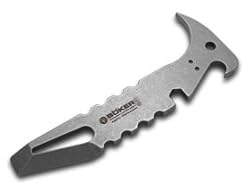
Upgrade items to multi use tools such as this mini multitool from Boker

Quick Tip 3What can you add to better address these challenges?

When people start seriously thinking about what to add to their EDC kit the most common items that they add are:

The reason why these are popular is that they are all compact, light weight, and can be used across a HUGE variety of situations.
When you are thinking about what to add to your EDC kit look back to your initial assessment in Quick Tip #1 to see what you need to address those challenges.  Some other items that are commonly added to EDC kits are:

  • First Aid Kit
  • Camera
  • Rain Gear
  • Water Bottle
  • Fire starting kit
  • Survival Whistle
  • Compass
  • Notepad
  • Paracord

Quick Tip 4How to Carry Your EDC Kit

So, you have removed things you don’t need from your EDC kit and added some useful tools as well.  If you have done this based on the threats and challenges you identified in Quick Tip #1 you should have a lean kit that is optimized to meet your individual needs.  Awesome!
Now consider how you are going to carry it.  Remember, this is an EVERY DAY Carry Kit.  So you will have it with you whenever you step out your front door.  If your kit is awkward to carry around you will want to leave it behind and it will then be USELESS when you need it!

  • A small kit it should be able to fit in your pockets or purse
  • A medium sized kit can be carried and organized in a shoulder bag or pouch
  • Many people carry larger kits in small backpacks

If you do decide to carry your kit in an EDC bag make sure you choose one that allows you to organize your gear in a way that makes it easy to find.  For detailed info on types of EDC bags and how to choose one that fits YOUR kit check out my article here.  

Quick Tip 5Periodically review your kit

Once you have chosen your EDC kit and are carrying it around for a while it is wise to review it periodically. You will want to review what you are carrying and make sure every item is still relevant to your needs.  In the modern day world threats change rapidly:

  • If you are facing a new challenge you may want to add gear to help overcome it
  • If a threat has changed you may want to remove gear to lighten up your kit

This is a long term tip but if you want to set it into action RIGHT NOW you can set a recurring reminder on your phone or calendar to remind yourself to review your EDC Kit in a couple months.  I like to review mine quarterly (every 3 months) but pick a schedule that works best for you.

Want Even MORE Info On Building Your EDC Kit?

If you are looking for even more information on how to build your ultimate EDC kit you can check out my book, The Every Day Carry Guide.  It is a comprehensive manual that will teach you:

  • How to be prepared at all times – no matter where you are
  • How to build your first EDC kit from scratch
  • How to refine an existing kit to make it more effective
  • How to pick the best gear to realistically make you more prepared
  • How to assess threats and risks in your every day life

EDC-Book-w-Button

 
Conclusion

Following these 5 Quick Tips will put you well on your way to making yourself better prepared to face whatever challenges the world is likely to throw at you.  Remember to keep your kit lean and specific for the threats you’ve identified.  For more information on some of the topics I mentioned feel free to check out the in-depth articles I have written about Every Day Carry:

Thanks for reading and until next time remember: Chance Favors The Well Prepared.

Chris

Welcome to The Bug Out Bag Guide!

Read More