best hunting knife

How To Find The Best Hunting Knife For Your Kit

best hunting knife

You’ve been on the road for more than a month. Your initial supplies have run out and you have no choice but to rely on your skill as a hunter. Whether you trap, use a bow, slingshot, gun or just your wits, once your target is down you will need to skin and dress it (cut the meat and prepare it for cooking), and the most important piece of equipment you will be needing is a good hunting knife.

A hunting knife is crucial if you want to:

  • Keep safe. A skinning environment is slippery and wet. A dull blade and slippery handle are sure to cause injury during the skinning process, and in a survival situation an injury could seriously lower your chances
  • Remove the animal skin in one piece for further use
  • Dress the meat in the most efficient manner. You busted your ass to down that animal. You need every scrap you can get.

The difference between a hunting knife and a survival knife

You have that giant survival knife strapped to your waist. Do you really need a dedicated hunting knife?

The answer is a resounding yes. Due to the difference in use, hunting knives differ greatly from survival knives:

  • Tasks: A survival knife will be used for many rough and difficult tasks – chopping wood, breaking glass windows and self defense to name a few. Hunting knives on the other hand are used for the more delicate task of cutting up an animal. Think axe vs. scalpel.
  • Blade Size: Survival tasks demand a large, sturdy blade. When hunting in a survival scenarios you will most likely be acquiring smaller sized animals, which means a smaller blade needed. To illustrate this point – imagine trying to dress a squirrel with a Rambo style blade. Suitable only for those who love fur on their steak.
  • Blade Shape: Survival knives need to have a sharp, pointed blade in order to pierce your enemy in self defense. Hunting knives need to have a rounded blade shape that easily glides between the skin and the flesh.

The 4 elements that make a great hunting knife

So now that we understand the necessity for a good hunting knife, these are the four aspects you need to check out when choosing a hunting knife

  1. Blade type
  2. Blade size
  3. Blade material
  4. Grip material and design

1. Hunting Knife Blade Type

When it comes to survival, you will prefer a clip point, spear point or needle point blade for easy piercing. Hunters on the other hand look for a blade that allows them to remove the skin off an animal without damaging the hide or the flesh. The best blade all-rounder for this kind of work is the drop point blade. Drop point blades have a belly at the end of the blade that rounds up towards the point. This belly makes skinning an easy task and you have little chance of piercing the skin.

best hunting knife blade type

A second decision you need to make regarding blade type is choosing a fixed blade vs. a folding blade. Folding blades, like your common pocket knives, fold into the handle, saving precious space in your bug out bag. The downside is that these knives are relatively more prone to break at the hinge, leaving you without a knife. Full tang fixed blade hunting knives are virtually indestructible, usually supplied with a protective sheath. The knife takes up more space but will last longer.

2. Blade Size

Before you choose a blade size you must first try and plan ahead – what will your target game look like? Will you be out in bear and moose country or will you be hiding in the city where the odd bird and rodent will make up your family dinner?

For medium to large game a blade that is 4 inches and longer will do the trick. For smaller game choose a blade of 2.5 to 4 inches in length.

3. Blade Material

There are many types of hunting blade materials but most fall into two categories: Carbon Steel and Stainless Steel.

best hunting knife blade material

Stainless Steel pros and cons

A misconception about stainless steel is that it never rusts. This is wrong. Stainless steel will rust eventually, but the chemical makeup of these blades ensures that they will rust slowly. The downside of this feature is that stainless steel as a blade material is soft, causing these knives to lose their edge sooner. It is not uncommon for experienced hunters to sharpen their stainless steel knives more than once during one animal dressing.

Stainless steel comes in a wide variety of composites, from the 440A stainless steel which rusts very slowly but is relatively soft, to the expensive VG10 which is considered a super-steel, rusting relatively slowly and holding a scary edge. Look out for the Sandvik 12C27, a Swedish stainless steel that is a great all rounder offering good corrosion resistance, easy sharpening and great edge retention.

Carbon Steel pros and cons

Carbon steel knife blades are harder than stainless steel, which means that they will keep their edge for a much longer period of time. If you are going to be out of civilization for a long time, this would be the best knife material to chose.

The main drawback to carbon steel knives is their poor resistance to corrosion. Unless they are well treated after each use, these knives will rust in a wet environment. Cleaning the knife after each use maintains the blade material and you get a sharp, durable blade that will be great outside.

Of the many types of carbon steel blades, look out for the 1095 steel. It holds a scary sharp edge and is easy to sharpen.

4. Grip Material and Design

Back in the day knife grips were made with bone, cord or wood. Many old school hunters (myself included!) prefer the classic look of an old school handle, but these are not the strongest materials in the market. In survival environments you need a grip that is break proof, slip proof and comfortable. Today we have a variety of brilliantly engineered materials that make great grips. The most popular handle materials include G-10 (impervious to most elements like water, oils and acids), Carbon Fiber (ultra lightweight and extremely strong) and Zytel (strong and light, it offers great surface grip).

best hunting knife handle material

Recommended Models

The hunting knife market is constantly expanding with new models emerging on a weekly basis.

To whittle down the myriad of knives, materials and models, here are our bottom-line recommended knives for a survival scenario:

  1. Small to medium game, folding knife: There are two knives that are perfect for small game survival hunting. The Benchmade Mini Barrage is an axis-locking, assisted opening folding knife that is handy as a self defense weapon while its wide blade works well as a good skinner.
    A second option in this category would be the classic Buck 110. A folding carbon steel knife, this is a knife that is manufactured in the USA and it comes with a lifetime guarantee which tells a lot about the quality. It is sharp and unbreakable, but quite heavy in your hand. The Buck 110 is an all time classic, leading the bestseller lists for generations.
  2. Small to medium game, fixed blade: If you’re short on budget, the Morakniv Companion is a surprisingly efficient and sturdy knife that will hold its edge well. If you can stretch your budget a little, the Scandinavian Fallkniven H1 is the king of hunting knives, a purchase you and your children will never regret.
  3. Large game hunting knives: When it comes to large blades, the king of hunters is the Ka-Bar BK2 Companion, with its 5.25 inch blade. The thick blade means that the knife can double as a survival knife in a pinch, and the greatly designed handle ensures a good skinning experience. This is a great knife for large game hunting.
Hunting KnifeBlade MaterialCostFeaturesSize
Small to medium folder:
Benchmade Mini Barrage

154CM Stainless Steel$$$Axis lock for confidence while skinning, spring assisted opening for quick deploymentBlade: 2.91"
Overall: 6.91"
Small to medium folder:
Buck 110

420HC steel$Classic design used by generations of hunters, made in USABlade: 3.75"
Overall:8.625"
Small to medium fixed blade:
Morakniv Companion

Carbon Steel$Fantastic quality for value, textured, rubberized handle for a sure gripBlade: 4.1"
Overall: 8.6"
Small to medium fixed blade:
Fallkniven H1

VG-10$$$Among the highest quality knives out there. VG-10 steel is corrosion resistant and holds a superb edgeBlade: 4"
Overall: 8.375"
Large game, fixed blade:
Ka-Bar BK2 Companion

1095 Cro-Van Steel$$Can double as a survival or bushcraft knife while still being able to handle butchering and skinning tasks.Blade: 5.5"
10.5"

About the Author:

Greg Gurland is an avid hunter and knife freak. His website HunterBlades.com is dedicated to finding the best hunting knives for each hunter’s specific needs. For more information, feel free to drop him a line at greg@hunterblades.com

Read More

best slingshot

The Best Slingshot For Survival Situations

best slingshot

If you hear the word ‘slingshot’ and images of a mischievous Bart Simpson come to mind, you’re not alone. Although sling-type devices have been around since biblical times (remember how David slayed Goliath?), modern slingshots are engineered like never before and are considered legitimate weapons.

Out of the various slingshots that we’ve reviewed, we recommend The Scout Hunting Slingshot as the best well-rounded slingshot for survival situations.

In this article, we are going to take a look at what survival situations a slingshot can be an essential tool as well as what qualities to look for when choosing the best slingshot for your bug out bag.

Should I Add a Slingshot to My Bug Out Bag?

Lightweight and versatile, slingshots make an excellent addition to any bug out bag, and the best part is you don’t need to pack ammo!

Whether bugging out in the wilderness or an urban environment, projectiles for your slingshot can easily be scavenged. Not only will you not be weighed down by packing extra ammo in your bug out bag, but you won’t need to worry about running out.

When bugging out in the wilderness, nearly any rock will serve as usable ammo; however, riverbeds are probably your best bet for finding smooth stones that will fly well.

If you find yourself in an urban survival situation, there are plenty of sources for ammo including building debris and concrete, or, if you’re lucky enough to come across one, items from abandoned hardware or sporting goods stores.

However, if you do have space to spare, then packing some steel slingshot ammo isn’t a bad idea.

Slingshot Uses in Survival Scenarios

The two best most applicable uses for a slingshot are hunting and self-defense; making it a versatile survival tool.

Slingshot as a Hunting Weapon

For those who have never hunted with a slingshot, it may seem like a laughable concept, but rest assured that a good slingshot is capable of killing most small game (squirrels, rabbits, birds, etc.) from 30 feet away.

The following are some advantages of using a slingshot to hunt small game:

  • Gives you a small profile and makes it harder for animals to spot danger
  • Makes it easier to maneuver through brush to improve your shot or conceal yourself
  • Its completely silent – won’t give away your location to other animals or unfriendly humans nearby

The slingshot is a great choice for feeding yourself on small game but what about larger game, or fish? A good slingshot can take care of them too.

If your group is large enough that a couple squirrels simply won’t suffice, you can easily modify your slingshot to shoot arrows and take down bigger game.

You can also catch fish through slingshot fishing – a modified form of bow fishing that usually requires adding a reel to the slingshot, especially if you intend to fight the fish. Here is a how-to video if you are interested in learning more about slingshot fishing:

Slingshot as a Self-Defense Weapon

Don’t discount the power of slingshots in conflict (remember David and Goliath?) – they can be excellent survival weapons against both aggressive animals and humans.

Some of the advantages of using a slingshot as a survival weapon include:

  • Its small size, which makes it easy to conceal until you need it
  • Even just brandishing it and showing an attacker you are not unarmed can be enough to show you aren’t an easy target
  • Ammo can be easily acquired in the field making it a great choice for long-term survival
  • No need to worry about keeping it dry
  • Silent firing – you can stealthily take down targets without alerting any collaborators

best slingshot

If you’re still on the fence about whether or not a slingshot can be an effective self-defense weapon, consider that in recent history it has been used by various irregular forces including the Irish Republican Army and Ukrainian Anti-government protesters – this certainly demonstrates the slingshot’s effectiveness in modern conflicts.

The Best Survival Slingshot: The Scout Hunting Slingshot

You will want your slingshot to be accurate, powerful, and durable.

The Scout Hunting Slingshot delivers on all three of these requirements.

The Scout’s heavy duty flat bands allow for accurate, high-velocity shooting when stalking prey. Paired with some scavenged ammo, or 3/8″ steel slingshot ammo, The Scout Hunting Slingshot is a force to be reckoned with.

It is 100% American made and utilizes a classic design upgraded with indestructible, modern materials. For example, its glass filled nylon construction provides an extremely durable frame while remaining lightweight.

The Scout is designed with an ambidextrous grip that fits just right for any sized hand.

The Scout Hunting Slingshot a great choice if you are looking for a reliable way to feed yourself with small game or birds while on the trail. Naturally, The Scout can also be used as an effective self-defense weapon.

Its sub-$50 price point delivers great value and makes it a smart addition to any survival kit.

Want to see The Scout in action? Check out this video that demonstrates just how accurate it is…

Features to Look for in a Slingshot

If you’re experienced with a slingshot, then you know what a valuable survival weapon it can be. What you may not know is that not all slingshots are created equal; there are distinct features that make some more suited to a survival situation.

Let’s take a look at the different considerations to make when choosing a slingshot:

  1. Frame Material
  2. Band type
  3. Other Features

Frame Material

Generally, slingshots are made from three materials: metal, wood, and plastic. For your reference, I’ve listed the benefits and drawbacks as well as key considerations of each material to help you choose the best slingshot for your needs.

Metal

  • Metal slingshots are light and strong
  • They will generally be the most expensive but are far sturdier and last longer than wood or plastic
  • For a BOB, an aluminum or steel slingshot with a plastic or ergonomic foam handle is the ideal choice

Wood

  • A wooden slingshot is the most classic design
  • They are generally engineered with a simple Y-shape and a rubber band attached to each fork

Plastic

  • Different plastics can have very different qualities
  • Plastic slingshots are often more economical
  • Modern plastics such as glass filled nylon can be an incredible choice for durability and weight

Band Type

The two types of bands you will see in modern slingshots are flat bands and rubber tubing.

The determination of which is best for your survival needs really depends on what you intend to use the slingshot for – tubing may be better for hunting due to its durability, while flat bands provide better accuracy and would serve better as a self-defense weapon.

The benefits of each are as follows:

Rubber Tubes

  • Tubes tend to last longer; they would be the better choice if you are planning to use a hunting slingshot to feed yourself over an extended period of time
  • There are many types of slingshot tubes to suit any desired draw weight, check out the guide below:

best slingshot tubes

Flat Bands

  • Flat bands are easier to draw and typically produce a faster projectile speed; if you won’t be firing a lot but want better accuracy when you do, this may be a better choice
  • Flat bands would be a good self-defense option when making an evacuation that may require you to deter aggressive people
  • Flat bands tend to be faster and more accurate than tubing due to their rapid “snapback speed” – the rate at which the projectile is propelled forward

Both tubing and flat bands are relatively cheap –  if you are seriously considering a slingshot as a survival weapon, it may be worth experimenting with a few different types to find the best fit for you.

Other Features

The best slingshots have several features that differentiate them from the mediocre ones.

Some features are relevant for a survival or hunting slingshot, others less so, let’s take a look at the best slingshot features:

Grip

  • No matter what the use, having a comfortable grip is an essential feature for any slingshot
  • A grip will let you fire more shots and increase accuracy by reducing hand and wrist fatigue
  • When choosing the best slingshot, look for one with a contoured handle that fits your hand naturally

Sight

  • A sight helps to improve the accuracy of your shots
  • This is a great feature for someone with little experience as it can reduce the amount of time you need to dedicate to improving accuracy. However, don’t assume that just because you have a sight you will instantly become an accurate shot – practice still makes perfect!
  • If you will be aiming at lots of small targets, such as small game, a sight is a key feature
  • If you expect to be aiming at large targets, such as humans, at shorter distances for self-defense, a sight becomes less necessary
  • Most of the best hunting slingshots will come with a sight attached

Hollow Handle

  • Many slingshots come with a screw-cap hollow handle that can be used to store almost anything, from spare rubbers to ammunition
  • You can also use a hollow handle to store survival gear, similar to the hollow handle of a survival knife
  • While not a necessary feature, a hollow handle can be quite useful if you think carefully about what could be packed in there (fishing kit, items to make fire, button compass, etc.)

The Best Slingshot For You

When it comes to choosing the “best slingshot,” we really like The Scout Hunting Slingshot, but it comes down to your own personal preference.

After reading this guide, now that you’re more informed on the various nuances in various slingshots, you’re able to make an educated decision.

Final Thoughts

A slingshot is a versatile tool that can be used by both male and female preppers, from teenagers to seniors; slingshots are especially advantageous for preppers who aren’t comfortable with firearms or don’t have the size and strength to wield a hand-to-hand weapon.

However, like anything in life practice makes perfect. It does take some time to become accurate, but time is really your only investment as ammo – rocks, spare nuts or bolts, nails, etc. – is free!

Remember, practice is essential for proficiency!

While its simplicity is part of its appeal, the slingshot is a skill-based instrument that requires practice in order to get good. So take your time, practice all you need and develop your skills on this unassuming “toy” that could very well play an integral role in your survival.

Even if you decide a slingshot is just not the right fit for your bug out bag and survival plan, I would still suggest grabbing one as they are a lot of fun to play around with.

What do you think?

Do have a slingshot in your bug out bag? Is there a particular slingshot that you love? What do you think are the best slingshot features for a survival situation? Let us know in the Comments Section below, thanks!

Read More

bug out bag size

How Big and Heavy Should Your Bug Out Bag Be?

bug out bag size


This article was contributed by guest writer Roger Gallager of Security Vantage

If chaos suddenly happened and you are at your home, what is the first thing that you’ll get your hands into? Your clothes? Your smartphone? Your iPad? Your wallet? With the clock ticking fast and quick decisions need to be made, your time is not enough. Panic gets to you and you end up stuffing your bag with almost anything that you could easily grab and run away for survival.

I’m sure your number one answer for this is your bug out bag. Sadly, a lot of people think that they can just pack everything come disaster time. The truth is, for a real prepper, a good bug out bag that you can easily pick up and carry for survival is the best way to go. You can just grab it easily and head towards survival without that uneasy feeling of panic and nervousness, instead of scrambling for the things that you need when chaos is already happening.

bug out bag

Photo 1 via Flickr

Knowing that everything that you need is in your bug out bag makes you feel relieved. However, there is another thing that you should put into consideration. Will you be able to carry it for at least 3 days? Can you run as fast as you can for your dear life with your bug out bag?

This simple bug out bag preparedness guide will help you in knowing how big and how heavy your bug out bag should be so that your survival from disasters will be guaranteed.

The Right Weight For Your Bug Out Bag

The weight of your bag is definitely an important factor to consider while preparing your bug out bag. Be sure to check the right weight that you can easily and comfortably carry come disaster time. You don’t want to be running and struggling at the same time because of your bug out bag which you have difficulty carrying. A helpful tip in packing is to put the heaviest loads near the top of the backpack so that most of the load is on your shoulders versus your lower back. If you think you have properly packed your bug out bag, carry it and walk for a couple of minutes or you can also run to test and see how it feels.

bug out bag

Photo 2 via Flickr

Make sure also that your bug out bag has hip supports to enable you to carry big loads further and MOLLE webbing as well, so that you have the ability to attach multiple items to your bag.

What’s inside?

Along with the weight of your bug out bag, you need to consider what’s inside it. Ideally, all the items on your bag should help you survive for at least 3 days or 72 hours. Here are your must-have items for your survival kits:

1. Water supply

First on the list is your water supply. The minimum amount of water for survival per person per day is 1 liter. Therefore, you should have 3 liters of water in your bag.  It is also smart to learn how to forage and purify water while on the move. This is a basic survival skill everyone should learn.

2. Food Supplies

Next to water, of course who will miss out on food? Yes, you heard it right. In order to survive, your food supply should help you live for 3 days. And how will you effectively store food in your bag? Get yourself a grip on survival food kits. These are compact, ready-to-eat meals that are packed with nutrition for your survival. Take note of your food allergies and special dietary requirements for survival.

3. Clothing

The clothes that you will pack for your bug out bag should just be like the clothes that you will bring for a weekend backpacking trip. Choose your comfortable clothes especially the ones that will enable you to run fast if ever there is an emergency. Again take note that your clothes should be for at least 3 days.

4. Shelter

For your three-day survival shelter, you would need a tent or tarp and a sleeping bag so that you’ll have a safe and dry place to sleep and stay.

5. First Aid Kit

A helpful tip is to build your own bug out first aid kit (see our guide and checklist here). You can still buy the pre-packaged ones but sometimes you don’t need everything that is in there. Building your own first aid kit can help you in choosing those items that you would badly need in case of emergency rather than filling up your kit with useless medicines and items.

6. Basic Gear

Prepping up with your essentials (or basic gear) is an absolute must, unless you want to hit yourself for not bringing these handy items that you totally need for survival. These include items such as rain gear, fire starters, flashlights, small pot to boil water and/or cook, and your reliable bug out knife (see my bug out knife guide here for tips and recommendations).

7. Weapon

In order to defend yourself from other people trying to get your bug out bag or if ever you come in an unlikely situation, having a handgun will definitely ensure your personal security. Take a gun that you are comfortable using if ever an unlikely situation happens.

The Right Size

Bug out bag experts recommend that the right size for you also depends on the weight that you will be carrying. Be sure that you can put all the essential items that you need, and a bag with lots of compartments is a good choice for safe keeping of your survival items, including emergency survival kits.

bug out bag size

Photo via Pinterest

 The purpose of your bug out bag is for you to survive, and not to get killed by it during worse case scenarios. Your legs are your reliable mode of transportation for survival and you don’t want to hinder its speed because of your heavy bug out bag. Chaos can come at any time, even in your current unpredictable and unsustainable urban life. Pack and prepare your bug out bag the right way and you’ll be evacuating with ease for survival.

About the author

This article was contributed by Roger Gallager. Roger is a security and survival expert who also writes for Security Vantage.

Read More

How To Buy Survival Gear Online…Without Getting Ripped Off

survival gear online

Have you ever bought a piece of survival gear online only to be disappointed when it arrived?  It’s really frustrating, right?

One of the big problems I had when I was just starting out was telling good gear from the hype and more importantly how to tell a good website from a dishonest seller.

In this article, I am going to share some real life examples with you of how I learned to find quality survival gear online including:

  1. Understanding your options when finding gear to meet YOUR survival needs
  2. Identifying points of quality to look for with ANY survival gear
  3. Identifying red flags when shopping for survival gear online

My Early Experiences Buying Survival Gear Online

Buying any type of survival gear is a constant challenge online.  On one side you have the infinite variety of choice available.  You can find ANYTHING you need online.  On the other you have the near impossibility of judging the quality and practicality of an item without first getting your hands on it.

For me, it resulted in multiple times where I bought something that looked good and had positive reviews only to have it to arrive and not make the cut.  This may have been due to its quality, design, weight, or simply not delivering on promised features.  Either way I now had an item that was used or opened and could usually not be returned.  I had just wasted both my time and money researching and buying something that I could not use.

Typically a prepper has to blindly make the choice between buying low cost  “bargain” gear of unknown quality or spending lots of money on “top end” equipment.  Both choices involve taking a risk.

I am going to help you minimize this risk by showing you what to look for when buying survival gear online.

Rule #1: Know Your Options

Most survival gear can be divided into groups, it may be heavy vs light, expensive vs cheap, or do-it-yourself vs done for you.  Knowing the general path you want to take is something you should learn when researching the gear you are buying.

Having an understanding of the major options will let you know if a price is fair or too good to be true.  It will also help determine what options or features are worth paying for and which can be left out.  Be sure to look at both Pros and Cons of each option available to make your decision easier.  For example, when I was looking for a good premade bug out bag, I learned that there are 2 major paths to take:

Premade Bug Out Bag Option 1: The Basic Bag

The first option I looked into was buying a basic bag with the main essentials in it.  This is frequently a cheaper option as there is less gear included in the bag.  However, buying a basic premade BOB can add on some extra leg work once you have gotten it to round out and tailor the loadout to meet your specific needs.

This is a bonus to some people and can be a great option if they already have highly specific gear.  It can also be a time saving approach for someone who has good survival knowledge and is comfortable choosing the additional gear that they need.

buy survival gear online
A basic Bug Out Kit

Basic Premade Bug Out Bags Typically Include:

  • Basic 1st aid kit
  • Water/Water bottle
  • Fire Starter
  • Toothbrush
  • Flashlight
  • Poncho
  • Emergency Blanket
  • Rations
  • Small Knife

Pros of the Basic Premade Bug Out Bag Approach

  • You are able to add to this basic set of items to tailor the bag you your specific needs
  • Basic Premade Bug Out Bags typically contain the bare essentials of a survival kit which can be a pain to find and buy individually
  • Buying basic items in a kit usually means they will be cheaper than buying everything individually
  • The small basic items should come in quantities that are in the ball park of what you need for a 72 hour kit, instead of buying a pack of 100 bandaids when all you want is 5 for your bug out bag (BOB).
  • Saves time instead of having to source lots of small, fiddly items
  • These bags tend to cost less than more complete options

Cons of the Basic Premade Bug Out Bag Approach

  • Need to spend time and additional money completing and tailoring the kit
  • The bags that come with these kits are typically not extremely durable
  • You may still end up paying for items that you do not want or need

Premade Bug Out Bag Option 2: The Complete Bag

The other option was to choose a bag that included everything I needed to survive.  This option is best for someone who either does not have the knowledge or time to build their own bag.  If you find the right bag you can meet all your survival needs in one, fell swoop.  These bags are typically larger, heavier, and more expensive than the more basic bags.  They also usually contain far more gear and a larger, better made backpack.

There are some companies, such as Ready To Go Survival that provide the option to build your own custom bug out bag which they will then pack and send directly to you.  This differs from many other companies that will just send you their standard kits that they have pre-chosen according to their own expertise and opinions.  This custom BOB option is a great way to get all the gear you need from one place at a good price and is a third option to consider.

Pros of the Complete Premade Bug Out Bag Approach

  • All the hard work is done for you
  • Buying all the included survival gear as a set is usually cheaper than buying everything individually yourself
  • Grab and go solution
  • Less experienced preppers get to have an expert choose their gear for them

Cons of the Complete Premade Bug Out Bag Approach

  • Usually more expensive than basic option
  • May end up with gear that does not apply to your local environment
  • Less opportunity to tailor the bag’s contents to your needs without spending more money
  • Heavier and larger than basic option

Weighing the options

buy survival gear online

If you are able to weigh the options of your gear you will be far more likely to end up buying something that actually meets your survival needs.  When I was just starting out I failed to do this and ended up with a couple cheap premade BOBs that were nearly useless and caused me lots of frustration.

Consider this as an investment of your time that will pay off when you end up getting the right gear the first time.  This is far better than having to buy several types in order to find the one that suits you best.  Carefully consider what survival problems you want to address BEFORE you buy your gear and you save yourself time, money, and grief.

Rule #2: Know what quality looks like for your gear

When looking for any gear educate yourself as to what THE BEST of that item look like.  If cost isn’t your primary factor you can of course just go and pick out that one.  But, if you are looking for a deal you will want to know what both a great item and seller looks like.

With this knowledge, you will be able to quickly tell if a great deal you come across is worth investigating or a potential problem.  Being able to identify quality gear and sellers will save you time, money, and headaches.  Here is what I look for when researching any survival gear or online store.

Indicators of Quality

They Have Their Phone Number Listed On Their Web Site

If someone has invested the time and money in setting up a phone number for their business it generally means:

  • They take their business seriously and are not a fly-by-night operation
  • They care about customer service enough to allow people to talk to a live human being
  • They are confident enough in the quality of their gear that they do not expect lots and lots of angry people to call them up complaining

buy survival gear online

User Reviews

  • 70% of Americans look for product reviews before buying ANY product online
  • Allowing customers to give feedback that is viewable by the general public is a good way to build (hopefully) positive buzz around your products
  • It also means that they have confidence in the quality of those products and believe that others will want to share their positive opinions with others
  • A website with poor quality goods will want to hide peoples’ angry reactions to from future customers and will generally not have the option to review their products

Brand Names

  • A site that is sourcing quality gear will want you to know by advertising the recognizable name brands that they stock.
  • This allows for comparison shopping for potential buyers which means that the site owner believes that they truly offer the best deal out there
  • Displaying the brand names of their survival gear also shows confidence that even AFTER comparison shopping you will want to buy from them as they provide best price/service

Higher Price

  • While everyone loves a deal the truth of the matter is that if you want quality survival gear that will perform to the level you need you are going to have to pay more than bottom dollar
  • A site that sells true quality gear WILL NOT have the lowest prices in the world.  Quality gear costs more to make because better materials are used to build it.  This is true for anything from a tomahawk to a backpack.
  • Most quality manufacturers enforce a Minimum Pricing Policy to encourage sellers to compete on factors other than price such as service and shipping.  The result is that most name brand gear will sell at a similar price on most sites.
  • Expect to get when you pay for when buying survival gear online

Rule #3: Know What Bad Web Stores Look Like

Now you know what positive signs to look out for when buying survival gear online.  But what about the warning signs you are on a potentially bad site?  Here is what I have learned to beware of:

Too cheap to believe

  • Again, while there are some deals out there generally when buying survival gear you get what you pay for
  • When I was buying premade bug out bags I found that if it looked too cheap to be true the kit was usually full of flimsy junk that would break if I actually needed to use it
  • A price that is too good to be true can also be indicator of a knockoff product

buy survival gear online

Low res pictures

  • Having low resolution photos can be used to hide poor workmanship
  • This shows they do not care about their customers and just want to make a quick buck
  • Quality sites will have large, high res images to let you check out the details of what you are buying

Trying to trick you with numbers of items included

  • Poor quality sellers will inflate what they are sending you with large numbers of items
  • For example, poor quality first aid kits do this by counting every band aid and wipe inside as a separate item where most reasonable people would count the first aid kit itself as 1 item.
  • A “100 piece Bug Out Bag” may sound impressive but they are frequently trying to inflate what they are selling by confusing their customers
  • Focus on quality, not quantity
Conclusion

These 3 rules will help you when buying any survival gear online.  Remember to figure out what options are important to you first to save yourself time, money, and frustration.  Then look for the positive signs I mentioned in Rule #2 to find the right site to buy from.  Lastly, if you end up on a site with any of the warning signs that I mentioned in Rule #3, keep on moving!  Buying survival gear online doesn’t have to be a trial, once you have it figured out you will have the best gear possible to make your survival kit unstoppable!

Your Thoughts?

Do you have a nightmare story about buying survival gear online?  What did you learn from it?  What is your favorite place to buy gear from?  Let us know in the Comments Section below, thanks!

Read More

edc kit

5 Quick Tips To Make A Better EDC Kit

edc kit

Today I am going to share with you 5 Easy Tips to increase your day-to-day preparedness by building a better EDC Kit.  These 5 tips will help you:

  1. Identify the threats and challenges you are most likely to face in your daily life
  2. Pick the EDC gear YOU need to help overcome them
  3. Improve your EDC kit to make it more effective
Lets get started!

What is an EDC Kit?

An EDC (Every Day Carry) kit is the set of items that you carry with you everywhere.  If you haven’t given any thought to what is in your EDC kit you probably have the basic items everyone takes with them when they leave their house such as your keys, phone, and wallet.  However with some simple consideration you can add to this short list to help yourself be better prepared and generally make your life easier.  Common purposes of the gear in an EDC kit include:

  • Keeping survival or “get home” gear on your person at all times
  • Making your life easier
  • Solving common problems that you face regularly
  • Protecting yourself from threats
  • Giving you peace of mind
edc kit
A basic EDC kit

So, what should be in your EDC kit?  Well, it can be pretty much anything you can imagine.  Some people just stick to the basics and others carry purpose made gear to solve specific problems they expect to face.  No matter what you currently carry these 5 Quick Tips will help you make an objective assessment of your needs and improve your kit to best meet your specific challenges:

Quick Tip 1What Threats or Challenges Are You Likely To Face?

Making a realistic assessment of what problems you are likely to face is the first step towards identifying what is most useful for you to have in your EDC kit.  Just because every kit you see online seems to have a notepad or particular gadget doesn’t mean yours needs to have this as well.  Tailor your ideal kit to YOUR specific needs.  

This is done by looking at the threats that are present in your local environment (earthquake, terrorism, mugging, etc) as well as problems you are likely to face frequently (walking in a dark parking lot, needing to open packages/boxes at work).  Make a realistic assessment of both the probability of these challenges occurring and the potential impact they will have on you.  Make your ideal list based on this assessment.  My “How To Make An EDC List” article covers this in greater detail, click here to read it for more detailed information.

Quick Tip 2What Do You Carry Already?

Everyone already has some items that they carry with them that are essential to their day-to-day.  This may be the basics of wallet, keys, and phone that I mentioned above or a full blown get home bag, depending on how much thought you have put into it at this point.  Take a good look at what you are already carrying with you and think of what you can remove or upgrade to better address the challenges you identified in Quick Tip #1.  For example:

  • I carried keys around on my keychain to apartments I no longer lived in for YEARS until I actually took a look at what I had on there.  Many people do the same with rewards card to stores without even considering it. Do you have similar useless junk in your EDC kit that you can get rid of?
  • Do you have an old bottle opener that you carry around that is beat up and worn out?  Why not upgrade to something like a mini-multitool so you can open those bottles plus have the ability to pry, screw, cut, and torque as you need?
  • Don’t be afraid to remove anything you haven’t used in a while or that does not meet the challenges you identified above, you can always add it back in if your threats change again in the future.
edc kit
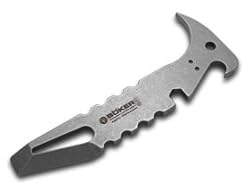
Upgrade items to multi use tools such as this mini multitool from Boker

Quick Tip 3What can you add to better address these challenges?

When people start seriously thinking about what to add to their EDC kit the most common items that they add are:

The reason why these are popular is that they are all compact, light weight, and can be used across a HUGE variety of situations.
When you are thinking about what to add to your EDC kit look back to your initial assessment in Quick Tip #1 to see what you need to address those challenges.  Some other items that are commonly added to EDC kits are:

  • First Aid Kit
  • Camera
  • Rain Gear
  • Water Bottle
  • Fire starting kit
  • Survival Whistle
  • Compass
  • Notepad
  • Paracord

Quick Tip 4How to Carry Your EDC Kit

So, you have removed things you don’t need from your EDC kit and added some useful tools as well.  If you have done this based on the threats and challenges you identified in Quick Tip #1 you should have a lean kit that is optimized to meet your individual needs.  Awesome!
Now consider how you are going to carry it.  Remember, this is an EVERY DAY Carry Kit.  So you will have it with you whenever you step out your front door.  If your kit is awkward to carry around you will want to leave it behind and it will then be USELESS when you need it!

  • A small kit it should be able to fit in your pockets or purse
  • A medium sized kit can be carried and organized in a shoulder bag or pouch
  • Many people carry larger kits in small backpacks

If you do decide to carry your kit in an EDC bag make sure you choose one that allows you to organize your gear in a way that makes it easy to find.  For detailed info on types of EDC bags and how to choose one that fits YOUR kit check out my article here.  

Quick Tip 5Periodically review your kit

Once you have chosen your EDC kit and are carrying it around for a while it is wise to review it periodically. You will want to review what you are carrying and make sure every item is still relevant to your needs.  In the modern day world threats change rapidly:

  • If you are facing a new challenge you may want to add gear to help overcome it
  • If a threat has changed you may want to remove gear to lighten up your kit

This is a long term tip but if you want to set it into action RIGHT NOW you can set a recurring reminder on your phone or calendar to remind yourself to review your EDC Kit in a couple months.  I like to review mine quarterly (every 3 months) but pick a schedule that works best for you.

Want Even MORE Info On Building Your EDC Kit?

If you are looking for even more information on how to build your ultimate EDC kit you can check out my book, The Every Day Carry Guide.  It is a comprehensive manual that will teach you:

  • How to be prepared at all times – no matter where you are
  • How to build your first EDC kit from scratch
  • How to refine an existing kit to make it more effective
  • How to pick the best gear to realistically make you more prepared
  • How to assess threats and risks in your every day life

EDC-Book-w-Button

 
Conclusion

Following these 5 Quick Tips will put you well on your way to making yourself better prepared to face whatever challenges the world is likely to throw at you.  Remember to keep your kit lean and specific for the threats you’ve identified.  For more information on some of the topics I mentioned feel free to check out the in-depth articles I have written about Every Day Carry:

Thanks for reading and until next time remember: Chance Favors The Well Prepared.

Chris

Welcome to The Bug Out Bag Guide!

Read More