cold weather survival gear

Cold Weather Survival Gear

Having a survival kit packed full of bug out bag essentials is a good start towards coming out alive in any situation.  However if you are likely to have to face a cold weather survival scenario you should consider adding specific cold weather survival gear to your kit to maximize your chances.  If you live in a cold weather climate you may have these items in your BOB at all times.  However if you live somewhere that has seasonal changes in temperature, you should include the addition of supplemental cold weather survival gear into your regular bug out bag updates.

cold weather survival gear

Cold Weather Survival Gear

There are many essential BOB items that are helpful in a winter survival scenario.  The best of these can serve to greatly increase your chances of survival when the mercury is dropping and snow is on the way.  Here are our picks of the best cold weather survival gear that should be a part of any bug out bag in a cold climate:

Shovel

This will greatly help you when breaking trail through the wilderness, digging a fire pit, or when shelter building.  If you are going to be shoveling snow a flat shovel blade is suggested.  If you will have to be digging into frozen ground a spade or pick end will serve you better.

Broad blade for moving snowSpade tip for digging in frozen ground


Saw or Hatchet

This is a personal choice but bringing one or the other is a smart move.  These tools will help you build a shelter and gather firewood as well as many other important tasks.  A hatchet will be better at smashing ice and splitting wood but a saw generally weighs less and is better at cutting dead wood for fires.

High quality basic hatchetSurvival Chain SawCompact Folding SawHatchet/Saw Combo


High energy/low weight foods

Maximize the space in your BOB by using compact rations that have high calorie values such as MREs, granola or powerbars, energy gels, or nuts.  You will be burning more calories than normal so you need to up your intake to keep pace.

High energy gel - high energy, little weightHigh calories, take up little spaceKeep hydrated, just add water


Fire starting equipment and tinder

Having a fire is a key to keeping warm in a cold weather survival situation, make sure you have a high quality fire starting set.  A magnesium fire starter will last longer than matches and will work better in wet or windy conditions.  Invest in a good one to maximize your odds.

Compact and reliableOne handed firestarterMilitary grade firestarting gel. Better than any tinder.


Container for boiling snow

A metal water bottle or canteen is a great multipurpose survival tool in this regard.  It will serve as a storage container for the water after you have boiled it and will not crack if the water freezes, like a plastic bottle would.

Wide mouth makes it easy to stuff snow insideClassic style, comes with an integrated cup and carry caseInsulated to keep liquids warm


Emergency blanket

This is another great piece of multipurpose cold weather survival gear.  Emergency blankets are relatively inexpensive and in a cold weather survival situation they can be used for wrapping up yourself up to keep in warmth, as a ground cloth to keep you from losing heat to the cold ground and to keep moisture from being absorbed by your clothes, or as a shelter building material.

Compact and inexpensiveUpgraded, heavy duty version of a space blanket with integrated hoodBivvy sack made of emergency blanket material. Put your sleeping bag inside for extra warmth.


Quality waterproof boots

Taking care of your feet is one of the core elements of survival.  Wet shoes from walking through snow can quickly lead to frostbite.  Being immobilized due to this can quickly lead to death.  Having a good pair of warm, waterproof boots will eliminate any issues with your mobility and allow you to survive longer.

High quality warm, waterproof men's bootHigh quality warm, waterproof women's bootAdd on to your boots to give you traction on ice


Brightly colored bandana

Something brightly colored, preferably fluorescent will be visible from great distances against a snowy background.  This can be used for signaling passing cars or planes.  As mentioned in our multipurpose survival gear article, a bandana has many uses and this applies to cold weather survival as well.  As a cold weather survival gear item a bandana can be used for:

  • Collecting and melting snow and ice

  • A Layer of head cover under a hat

  • Wrapping extremities to prevent frostbite

  • Signaling

Bright orange and printed with helpful survival informationBright red and printed with 1st aid infromation


Quality sleeping bag

Having a quality sleeping bag rated to sub-zero temperatures is one of the most important pieces of cold weather survival gear you can have.  It will allow you to rest when you need to in order to recover your energy.  Additionally, keeping warm at night will cause you to burn less calories that would otherwise be spent keeping your temperature up.  We suggest one that is rated to -20 degrees F (about -30 degrees C) for starters.  If you live in a very cold region get one that is rated for even colder to ensure your safety.

High quality bag rated to -20Extreme bag rated down to -40


Snowshoes

If you are in an area that usually receives a lot of snow these are a good thing to have.  They will make traversing snow covered ground far easier than breaking trail through snow banks.  Snowshoes can be purchased in many places or you can learn how to make them in the video below:

Basic snowshoesMidrange snowshoesHigh quality top of the range snowshoes


Conclusion

As we have discussed in the past tailoring your bug out bag to your survival scenario is a key to having it be as useful as possible when you need it.  Adding cold weather survival gear to your kit will greatly increase your chances of succeeding in a winter survival situation.  Be sure to pick quality gear, you will not be happy that you saved a few dollars when you are out in the wilderness freezing.  As with any survival tools make sure you take any items you select out and familiarize yourself with using them.  You don’t want a life or death situation to be when you are taking an item out of its original packaging.  Practice your cold weather survival skills and hone the techniques of using your cold weather survival gear for the best results.


Your Thoughts?

Do you have a piece of cold weather survival gear that you would recommend?  Do you have an innovative use for one of the cold weather survival gear items that we mentioned above?  Please let us know in the Comments Section below.
Read More

best bug out vehicle checklist

Best Bug Out Vehicle Checklist

best bug out vehicle checklist

If you are one of the millions of people who own a vehicle you should seriously consider integrating it into your bug out plan.

However, this can be more complicated than simply throwing your bug out bag in your car and hitting the gas.

  • How can the particular advantages of a vehicle evacuation be maximized?
  • How can we eliminate any negatives?
  • What is the best bug out vehicle checklist to maintain?
  • What is the best bug out vehicle for YOUR survival situation?

We will walk through each of these points and demonstrate how to effectively incorporate a bug out vehicle into your bug out plan.

Bug Out Vehicle Advantages

1.  Greater travel radius

A vehicle will allow you to travel further faster.  This should be explored as part of bug out planning.  Is there a better location further away?  Just because you can travel further doesn’t mean you have to.  Take the best bug out location option, not the furthest.  If you can defend a closer location better or cache more supplies there, consider these factors.

2.  Carry more supplies

A vehicle can carry more supplies and survival tools than a person can lug.  This is great as a properly planned bug out vehicle checklist can make your ride a mobile bug out location.  However, it is important to avoid the temptation of packing EVERYTHING.  The goal is to find a balance.  Bring survival gear that will extend your independence and raise your odds of survival, not everything imaginable.  As always, focus on multi-use items.  Additionally, you should not consider even the best bug out vehicle to be a mobile bug out bag.  You should always have a full bug out bag packed and at hand in the vehicle in the event that you have to ditch it quickly.

3.  Additional shelter

Your vehicle can shelter you from rain and wind even if you are out of gas.  If it is running it can also provide heat or cooling as needed.  This makes it a powerful ally.  If a storm is hitting you can simply take cover in your vehicle rather than having to set up a survival shelter.  It can also be slept in with no additional modifications.  If you are in a pinch you can even cook on the hot engine with proper preparation (how to video below).  This will greatly raise morale and increase your odds of surviving.


Bug Out Vehicle Disadvantages

1.  Can create dependence

Planning to have the best bug out vehicle for your survival situation is fantastic but you should not consider it as an answer to all potential problems.  You still need to plan your bug out assuming that you are going to have to ditch your car, and all the niceties it brings at some point.  You may run out of gas or run into an impassable road.  Either way if you planned on driving the entire way to your bug out location you are going to need to improvise.  Even with the best bug out vehicle you will need to hone those survival skills and plan on hiking to your destination in order to guard against uncertainty.

2.  Not as versatile as traveling on foot

Foot travel is more energy intensive than driving but it is also more versatile.  Imagine you have your bug out vehicle checklist planned and packed and when SHTF you go on your merry way to find that everyone else has the same plan.  You are now faced with miles and miles of traffic.  Is this still the fastest way to bug out?  What if rubble and debris cuts off a vital road?  When planning your bug out route consider if going on foot is a more direct means of travel as you can cut through terrain rather than having to stick to a road or trail.

3.  Additional complications

Traveling by vehicle provides serious advantages as we mentioned above.  However even the best bug out vehicle also adds additional complications and costs in volume, weight, and money into your bug out plan.  Consider this addition as a whole when assessing what is the best bug out vehicle for your survival situation.

Best bug out vehicle

The Best Bug Out Vehicle

The ideal bug out vehicle would have the following qualities to maximize the advantages of a vehicular bug out while minimizing the challenges present:

4WD

A no-brainer when picking a bug out vehicle.  This will vastly increase your options when bugging out.  A non-4WD car will quickly break down if forced to drive off road.  Having a 4WD bug out vehicle will enable you to pass over far more terrain and reach safety faster.

Modular interior

Unless you are planning on bugging out in an RV you will want to modify the interior of the vehicle to be more suitable for survival.  This may mean taking out seating to allow more storage or making it convertible for sleeping in.  It is important to note that although you will want to customize the interior of the vehicle you want to do as little tinkering with the engine and drivetrain as possible.  Customization in these areas make repairs and sourcing replacement parts far more difficult.  Reliability is key with a bug out vehicle, having stock parts that you may be able to scavenge is an essential element of this.

Diesel engine

A diesel engine has many advantages over a gas model.  They are generally more fuel efficient for one.  Additionally, they allow far greater fuel flexibility, being able to run on home heating oil, kerosene, and some jet fuels.  This significantly increases scavenge potential while on the road.  Diesel fuel also has a far greater storage lifetime than gasoline.  With the addition of commercially available fuel stabilizers diesel fuel will last more than 10x longer than gasoline.

Good gas mileage

Having a gas guzzler for your bug out vehicle is a good way to shoot yourself in the foot.  Gas will surely be in short supply and you may not even have the time or opportunity to scavenge additional supplies while on the move.  Look for a vehicle that is rated for at least 23-27 MPG to ensure gas efficiency will not be a problem while making your evacuation.  Higher MPG would be better but may be hard to find for a vehicle that has good storage capacity.  Check out this site for a list of all car models with mpg ratings.

Easy to repair

Reliability is key with when trying to find the best bug out vehicle.  Having stock parts that you may be able to scavenge is an essential element of this.  Choosing a vehicle that is widely used and has commonly available parts is ideal.

Trailer hitch

This opens up options for including a bug out trailer as a part of your bug out plan.  A trailer allows more cargo space overall without sacrificing passenger seats, which is great if you have a family travelling with you.  Additionally, a trailer can be ditched once the supplies within have been used up to improve gas mileage.

Brush guard

This should be partnered with any vehicle you intend to take off-road.  It will save your front end and radiator from damage and also improves your ability to ram trees in the way or doors that need opening.

Manual transmission preferred

This isn’t required but it sure helps.  Manual transmissions increase reliability, improve gas mileage and are easier to fix and replace than an automatic transmission.  They also allow you to push start a car if an ignition is burned out or you lose your keys.

Bug out vehicle checklist

So what additional items would you want on your bug out vehicle checklist to increase your odds of success?  Note that this is in addition to your bug out bag, which you will be bringing as well!!!  Here is a list of items that will maximize the advantages present in a vehicular bug out situation:

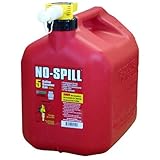
  • Extra fuel containers

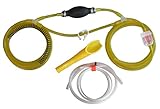
  • Siphon Pump

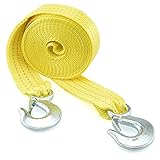
  • Tow Straps

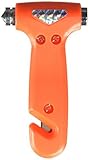
  • Seatbelt Cutter/Window Breaker (see our comprehensive guide on these by clicking HERE) 

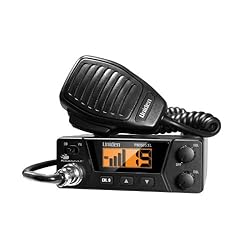
  • CB radio

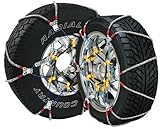
  • Tire chains

  • Jumper Starter

POD-X1-img-small


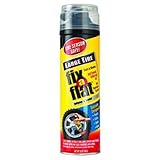
  • Can of Fix-A-Flat

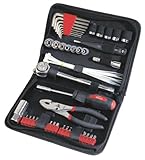
  • Basic tool kit – Pliers, wrench, screwdrivers, duct tape, stanley knife, cable ties

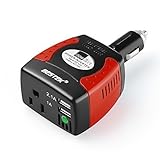
  • Power inverter – To charge any electronics you may have on the go

  • Winch

  • Extra oil

  • Spare keys

  • Spare tire – not a doughnut!

What else can I do to make my bug out vehicle great?

  • Beyond stocking up your bug out vehicle checklist be sure to service it regularly.  There is no point in having the best bug out vehicle in the world if it is unreliable or won’t run when you need it!

  • Make sure you have a reliable Jump Starter!  This is easy and can save your life!  This is the one I strongly recommend.
  • Practice driving your intended bug out route to see if your car is up to the task.  This will also help you identify any difficulties along the way and point out any modifications you may need to make to either the car or your bug out plan.

  • If you choose to use a manual transmission vehicle make sure all the adults in your bug out party know how to drive it.  As with any aspect of your bug out plan, redundancy is key.

  • Add vehicle inspection and testing to your regular bug out plan reviews to make sure your bug out vehicle still fits into your strategy.

Conclusion

As you can see, there are a lot of options for finding the best bug out vehicle for your survival situation.  Understanding them and what works best is an important step towards adding a car or truck to your bug out plan.  Adding a bug out vehicle checklist to your bug out bag essentials will additionally help you maximize the advantages of bugging out in a vehicle.

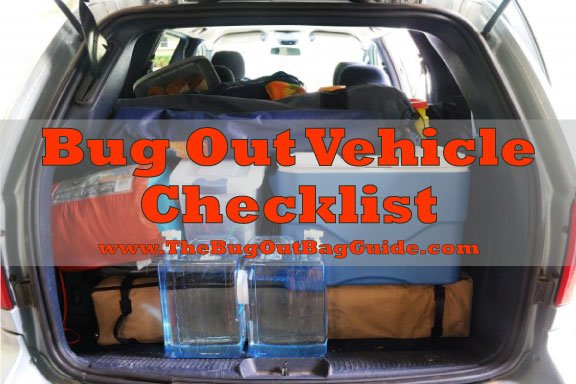
It is important however to not depend on any one thing in your bug out plan for your survival, including a car or other means of transport.  Keep flexible and be ready to continue your bug out on foot if need be.  Please also check out our printable Bug Out Vehicle Checklist Graphic below which you can download and print to have with you when you are preparing your bug out vehicle:

Best Bug Out Vehicle Checklist

Your Thoughts?

Do you have any items you would add to this bug out vehicle checklist?  What do you think would make the best bug out vehicle?  Please let us know in the Comments Section below.  If you thought this post was helpful please Like, +1, or Tweet it using the social media buttons at the top of the page, thanks!

Read More

EDC List

Every Day Carry List – Assessing Threats and Choosing Your EDC Items

EDC ListHopefully, by now, you’ve devised your bug out plan and have packed your bug out bag using our bug out bag list.

Awesome, you are now better prepared than the overwhelming majority of the populace. But what survival tools should you have in your every day carry kit?

Here we will look at what a survival minded person could have on their every day carry list that would help prepare them to deal with dynamic situations that may arise in everyday life.

What is an Every Day Carry List?

An every day carry list is a set of items that you have with you under most scenarios (at all times if possible) that helps you be prepared at a moment’s notice to deal both daily situations as well as be ready to survive in emergency situations. These items may be designed to aid your survival on their own, or they may be there to help you get to a safe location or back home. It can be made up of a wide variety of items and should be tailored to your lifestyle, locality, and probable threats.

Ideally, the items on an every day carry list will be small both in number and size and will be possible to carry on your person without an extra bag or container to lug around. There are some people however that do choose to carry the items on their every day carry list in a specific EDC bag and others who prefer to consolidate this kit into fewer, more flexible items such as those covered in our 10 Best Multi-Purpose Survival Tools post.

What should be on YOUR Every Day Carry List?

1. Things You Carry With You Already

This is important to review for a couple of reasons. Firstly, they probably reveal some of your basic day-to-day needs which give us insight into what your greater every day carry (EDC) needs may be. Secondly, if you are already carrying an item with you, you would not need to replicate its uses or functions elsewhere. Or perhaps you can modify one of these items to make it a better EDC tool without adding another piece into your EDC kit. Keeping an every day carry list simple and light is key.

  • Wallet – I need my ID and cash daily. I can’t leave home without this.
  • Keys – Can’t leave home without these unless I want to climb through the window to get back in! I am going to add a “Grenade” Survival Kit Key Fob to my keyring, which comes with more paracord and a fire starting kit.
  • Phone – I always have my phone on me to contact loved ones or the authorities in the event of an emergency. To improve this, I am going to load PDFs onto it with critical documents and a map of my local area in case I need to access these while the phone network is unavailable. I am also going to slip a razor blade and a laminated hard copy of that same map in the space between the case and the back of the phone as backups. If you do this, don’t forget to remove the blade before going through a security checkpoint at an airport!
  • Watch – A friend once told me “Never trust someone who doesn’t have a watch.” It is an item that many of us carry every day. Some ways we can supercharge this into an EDC survival tool is to add a compass or use a paracord woven watch band. If you do not want to add a compass, you can learn to use your watch as a navigation tool.

2. Things That Would Help With Frequently Encountered Problems

Do you have problems that you face repeatedly? Is there a potential problem that has a high probability of occurring in your normal day or commute? Is there something that you frequently use that has the potential to break? Having an EDC item that could assist in these situations would make your life easier generally and be of great help when the high potential risks become a reality.

  • Folding Knife – I have to frequently cut cardboard and plastic at work, but this would also be good if I was in a more office based role where I would be dealing with staples or opening letters. You cannot go wrong with the Kershaw Blur Folding Knife with a Partial Serrated Blade that I have been carrying with me for years and it still is razor sharp and can be easily opened with one hand. A small yet powerful addition to an every day carry list. Check out our in-depth article on How To Pick The Best EDC Knife.
  • Flashlight – I am in a dark parking lot daily that this will help out with that. It will also be useful in case of a blackout or a fire. A good LED flashlight (check out our article here on picking the best EDC flashlight) is also powerful enough to signal for help and small enough to fit in a pocket and can also double as a self-defense tool. We love the Fenix PD35.
  • Multitool – A multitool is the jack-of-all-trades of the tools that you can carry with you every day. You can get a full-fledged multitool such as the Leatherman Skeletool or opt for a lower profile tool that has less functionality by carrying a credit card multitool that fits in your wallet.

3. Things That Would Help With Rare and High Consequence Problems

This is a category of items that needs to be risk assessed versus threats in your area. They are meant to cover potential problems that are low probability to occur but if they did, would have a severe consequence. We will go over performing a risk assessment below, but a brief example would be if you ride in a vehicle to work every day. For this activity, there is a very low probability of needing to escape the train, bus, or car but if there was a crash and you needed to exit quickly, there would be severe consequences of not being able to do so. In this case having a glass breaking Tactical Pen or a seatbelt cutter would make a huge difference towards improving your chances of survival. Tools of this nature are what make up this category.

  • Tactical Pen – A Tactical Pen is a high-grade metal pen that can double as a self-defense tool and glass breaking aid. I constantly need a pen at work so carrying this with me will not be adding an unnecessary item that I will rarely use. This is more of an upgrade to meet a daily need with the capability to address the rare but high consequence situation of defending yourself in the event of a personal attack. The Gerber Impromptu is an excellent choice for this although we cover several great options in our Tactical Pen buying guide.
  • Pry tool – This will help me open doors and containers in the event of a car accident or a problem in my workplace or home. There are many options out there for this, the best one I found is the Boker Minibar Blade which excels in function, having both a pry tip and lever tool, but is a bit rough on the wallet. A cheaper option would be the Key Chain Pry Tool by Schrade.
  • Paracord – Paracord is awesome as it is light, strong, and will not rot. It has nearly as many uses as duct tape. I would not be looking to carry around enough to make a rope ladder or anything as complicated as that but having some at my disposal if I need to splint a broken bone or tie an emergency shelter down would be handy. There are a lot of options for paracord bracelets and other wearable items, such as The Friendly Swede Paracord Bracelet as it comes with a metal clasp that doubles as an emergency fire starter.

Our Favorite Every Day Carry Gear

For some more ideas, be sure to check our 10 Best Multi Purpose Survival Tools post for some other versatile EDC items.

How To Assess Risk

Rating the relative risks of threats in your locality is a good way to judge whether an item is worth including in you every day carry list or even your bug out bag contents.

The basic process for this is to judge each threat on two criteria:

  1. Probability – What are the chances of the threat occurring? Is it something that is highly probable (like slipping and falling on ice), which you see once a week or several times per month? Is it low probability (like an earthquake), which you would expect to see maybe once per year or every several years? Is it somewhere in between such as a car accident? Rate the probability of threats occurring realistically from your own experience and what has occurred historically in your locality.
  2. Potential Impact – What would the impact be if the threat actually happened? Would it be mild and easy to overcome? Would it send people to the hospital? Does it have the potential to be deadly?

We have created this Threat Assessment Matrix to help you visualize this concept:

Every Day Carry list Threat Assessment Matrix

This chart is a great tool for determining whether or not to add an item to your every day carry list. Keep it in mind and refer to it when building yours.

Conclusion

As you can see, there are some easy steps you can take to assess your every day carry needs and determine what is appropriate to be put on your every day carry list. Stick to the principles of addressing realistic, probable threats and keeping your items multi purpose and small to be most effective.

Remember when planning your every day carry list, chance favors the well prepared.

If you still haven’t packed your bug out bag, make sure to review our Bug Out Bag List to help you get started ASAP. Your EDC kit and your BOB are key to being prepared for anything and everything!

Want Even MORE Info On Building Your EDC Kit?

If you are looking for even more information on how to build your ultimate EDC kit you can check out my book, The Every Day Carry Guide. It is a comprehensive manual that will teach you:

  • How to be prepared at all times – no matter where you are
  • How to build your first EDC kit from scratch
  • How to refine an existing kit to make it more effective
  • How to pick the best gear to realistically make you more prepared
  • How to assess threats and risks in your every day life

EDC-Book-w-Button

Your Thoughts

If you thought this post was helpful, please Like, +1, or Share it using the social media buttons at the top of the page! Do you have some every day carry items that you would like to share? Do you have any questions about making an every day carry list? Please let us know in the Comments Section below, thanks!

Read More

Fish Antibiotics For Humans: A Safe Option For Your Survival Kit?

Fish Antibiotics For Humans

There has been a lot of buzz lately among disaster preparedness blogs and forums about the idea of stocking up on fish antibiotics for humans in the event that there is a disaster or bug out situation and normal medical channels such as doctors, pharmacies, and hospitals are not functioning.

In this guide, we will examine the safety and feasibility of this option as well as look at some other important factors to consider.

Fish Antibiotics For Humans
Are Fish Antibiotics For Humans Safe?

Fish Antibiotics For Humans

The topic of Fish Antibiotics For Humans is a hot issue because some survival perparedness-minded people believe that fish antibiotics are interchangeable with normal doctor prescribed medicines and are a good addition to a survival kit or bug out bag.

Doctor prescribed medications can be hard stock up on so some these individuals are attempting to source an alternative that:

  1. Is effective for curing infections in humans
  2. Is readily available to ordinary people
  3. Is available in larger quantities than the single doses that are normally prescribed

Are fish antibiotics for humans safe?

First off, if you are considering this or any other medical related option, you should perform whatever research you deem necessary AND talk to a doctor. Don’t just take this article as you main resource, the author is not a doctor and does not dispense medical advice.

To answer the question of the safety of fish antibiotics for humans, we must first consider the following factors:

  1. What are the ingredients of Fish Antibiotics vs Human Antibiotics?
  2. What are the dosages offered?

I have researched some common brands of fish antibiotics and created this table to help share the information:

Fish Antibiotic NameActive Ingredient and Dosage
Fin Mox ForteAmoxicillin
500mg
Fin Flex ForteCephalexin
500mg
Fin Flox ForteCiprofloxacin
500mg
Fin Pen FortePenicillin
500mg

So, if someone was interested in acquiring some fish antibiotics for humans, they can see that these readily available medicines appear to be both the same ingredient and in many cases the same dosage as those offered to humans from pharmacies.

Other Factors To Consider When Researching Fish Antibiotics For Humans

1. Does the fish antibiotic have only 1 ingredient – The last thing anyone wants is to buy and take one of these products that also includes a fish health supplement in it that has not been used by humans. Make sure before you buy that the only ingredient in the capsules is the antibiotic that you want such as:

  • Amoxicillin
  • Cephalexin
  • Metronidazole
  • Ciprofloxacin
  • Penicillin
  • Ampicillin

2. Make sure that the dosages are appropriate to what is recommended by a doctor or a well respected resource such as Drugs.com.

3. Store antibiotics properly – These medications should be kept in a cool, dark place with the original seal intact until needed. It is also essential to monitor the expiration date if each bottle and discard and replace any that are out of date.

4. Be aware of allergies – A small segment of the population is allergic to Penicillin and its derivative medicines. Be aware of all medical allergies for anyone you are making a Bug Out Plan for.

5. The rise of antibiotic resistant bacteria in modern society is a major threat to modern medicine. The frequent use of antibiotics in both humans and animals has accelerated this trend. Best practice is to use these drugs only when necessary.

Where Can I Buy Fish Antibiotics For Humans?

Because this is typically administered to fish, there are currently no prescription requirements that this author is aware of (check your local laws).

Without this constraint you will find that fish antibiotics can easily be purchased both from Amazon. Refer to the chart above and click the product name to see it on Amazon.

For further analysis of the topic of fish antibiotics for humans, check out this video by Dr Joseph Alton, author of the excellent book The Doom And Bloom Survival Medicine Handbook and owner of the Doom and Bloom Blog.

Conclusion

It appears that fish antibiotics for humans is a low risk proposition and would be available to be added to a well stocked list of Bug Out Bag Essentials or survival kit. As always, consult with a medical professional before taking ANY medications and conduct your own research before purchasing these products.

Your Thoughts

If you thought this post was helpful, please Like, +1, or Share it using the social media buttons at the top of the page! What do you think of adding fish antibiotics to your Bug Out Bag List? Do you know someone who has taken these products in a medical situation?Please let us know in the Comments Section below, thanks!

Read More

Multi Purpose Survival Tools

Top 10 Multi Purpose Survival Tools for Your Bug Out Bag

Multi Purpose Survival Tools

Here at The Bug Out Bag Guide we strive to build the best survival kit using a philosophy of practicality and efficiency. An excellent way of practicing this mindset is to utilize multi purpose survival gear to meet the needs of our Bug Out Plan. Multi purpose survival gear items improve our survival kit in multiple ways:

  1. Save Space – Why bring 3 items when you can use 1 do do the same jobs? Consolidating items to save space will free up room in your Bug Out Bag to carry other useful survival tools or more food and water.
  2. Save Weight – We have covered at length the perils of weighing yourself down with everything plus the kitchen sink, and have even built a tool for you to check your own Bug Out Bag’s weight. Reducing the number of items you carry will pay increasing dividends the longer you have to travel.
  3. Increase Simplicity / Reduce Clutter – The more items you pack the harder it will be to find what you need. Stick to the essentials – Pack less and improvise more for an efficient survival kit.
Multi Purpose Survival Tools
The Original Multi Purpose Survival Tool

Our Picks for Multi Purpose Survival Tools

We have researched long and hard and compiled a list of the best multi purpose survival tools below. For most categories, there are a great many options of items to consider while building your best survival kit. We have made a recommendation of the best we could find where applicable for those who do not have the time or inclination to search on their own based on utility, size, and weight. However as always, you need to choose the best items for YOUR survival scenario.

Survival Hatchet

These come in many flavors but most of them will do the jobs of a hatchet (obviously), pry tool, shovel, and wrench. We should look for any opportunity to remove high weight to volume ratio items such as steel tools to build the best survival kit, so being able to leave behind any of these is a good step. For more info check out our in depth reviews of the BEST survival tomahawks here.

Survival Whistle

These are generally quite cheap and are cover a lot of the basics. Most survival whistles combine a compass, dry container with the whistle and some even have a fire starting flint within.

Multitool

Anything with both the words “multi” and “tool” in it is worth having a look at. There are a great many options for multitools – focus on weight and practicality when looking. Are you going to really NEED the one with the allen key and corkscrew? Stick to the basics of a straight blade, saw, and can opener (like this one here) and add what few other options you see fit. Some bonus items that are rarely thought about are a magnifying glass and USB stick. These come on some multitools and can be used to start fires and store important family records, respectively. If you want to learn more about choosing the right multitool for survival, you can check out our article here.

Tarp

There is so much you can do with a tarp, it is a multitool all in itself. Besides the obvious of keeping gear dry and being used as a shelter, they can also be used for signaling and be easily turned into a stretcher to carry injured party members.

Plastic Bags

It is good to have a few of these as they have many, many uses and are very light and small. Plastic bags can be used to carry water, keep clothes and fire starting kits dry, store food, and organize small items.

Survival Knife

We covered Survival Knives generally in our Bug Out Bag Essentials post but they are so useful it is worth re-hashing here. Generally you are better off getting a solid, full tang knife from a trusted knifemaker such as Ontario, Camillus, Becker, or Gerber. Stay away from hollow handled survival knives if at all possible. The small amount of storage space will not make up for the overall inferior build quality. For more information on choosing a good knife for any outdoors situation, check out our comprehensive guide by CLICKING HERE.

Duct Tape

Good old duct tape, where would the world be without it? Duct Tape can be used as an emergency bandage, to secure a splint, to reinforce or repair waterproofing, as a rope replacement for shelter building, and taped over sore spots to prevent blisters.

Bandana

A bandana can be moistened and tied around the neck to help keep you cool, be used to filter water, will protect you from the sun, be used as a bandage, be utilized to tie on a splint, or be a replacement for rope in tasks such as shelter building.

Paracord

This is a small, strong cord that can be used in shelter building, ascending or descending inclines, as a clothes line, to fasten a splint, or to build a snare. Read out article about paracord uses and storage here.

Sanitary Pads/Tampons

These are often overlooked but are highly versatile. In addition to its intended use, a sanitary pad can be used as a bandage, it can be shredded and used as tinder, and it can be used to filter sediment from water.

BONUS: Your Brain

I know this is a list of the Top 10 Multi Purpose Survival Tools but this is really worth mentioning. Your own brain is the most valuable multi purpose survival tool that you have. Your mind contains the willpower to persevere in a dire survival scenario, and as importantly, the ability to improvise and modify your Bug Out Plan to overcome unforeseen problems. Rely on your own thinking before any of these other tools we mentioned, it will get you out of most sticky situation.

Top 10 Multi Purpose Survival Tools

We have build the table below to help you consider multi purpose survival tools when planning your bug out bag list. You will see in there Our Picks for the best items that meet our basic survival needs. If you click on the image for any of these, you will open up a window to Amazon.com where you can conduct further research on this item or others like it to see what best meets your needs.

Multi Use ItemOur PickItems it can replaceUses
1Survival HatchetOntario SP16 Spax Tool
Hatchet, Pry bar, ShovelCut, Pry, Break glass, Punch holes, Open/close fire hydrants and gas mains, Open manholes, Self defense
25 in 1 whistleSE - Whistle - 5-in-1
Fierstarter, compass, waterproof container, matches, lighter, signal mirrorSignalling, navigation, firestarting, dry container
3MultitoolLeatherman Sidekick Multi Tool

knife, saw, can openerCut Wood, Clean animals, Harvest plants, Slice rope, Shelter building, Self devense
4Plastic BagsWhatever is in your kitchen pantryDry Bag, Fire starting kit containerBackup water container, Dry bag, Store food, Organize small bits of gear
5Survival KnifeGerber LMF II Infantry Knife

Camp saw, hatchet, can be used for nearly any bushcraft task.Food gathering, First aid, Shelter Building, Navigation, Fire starting, Self defense
6Duct Tape3M Utility Duct Tape
Rope, BandagesEmergency bandage, Repair waterproofing, Shelter building, Prevent blisters
7BandanaHead for Survival Triangular Bandana
Triangle Bandage, HatEmergency Rope, Wet it and tie around your neck to keep cool, Sun Protection, Arm sling, Compression bandage, Filter sediment from water
8ParacordArmy Universe Nylon Military Paracord

Rope, some first aid itemsShelter building, Climbing/descending, grapelling hook, Tie on a splint, Build a snare
9TarpHeavy Duty Tarp
Emergency Shelter, Signal MirrorKeep items dry, Keep you off the ground when sleeping, Made into a stretcher, Used as shelter, Used for signaling
10Sanitary Pads/TamponsWhatever is already in your hygiene kitBandages, TinderFirst Aid for bleeding, Start fires, Emergency water filter, Femenine hygiene

Conclusion

There are many multi purpose survival tools that can be utilized to save space and weight in your Bug Out Bag. Carefully consider the pluses and minuses of each when building your Bug Out Plan and Bug Out Bag Contents List in order to build the best survival kit for YOUR survival scenario.

Your Thoughts

If you thought this post was helpful, please Like, +1, or Share it using the social media buttons at the top of the page! What do you think of these multi purpose survival tools? Is there an additional use for any of them that you know of? Is there any other survival gear that you would recommend? Please let us know in the Comments Section below, thanks!

Read More